Zoning Commission Order Issued for Art Place Phase 2

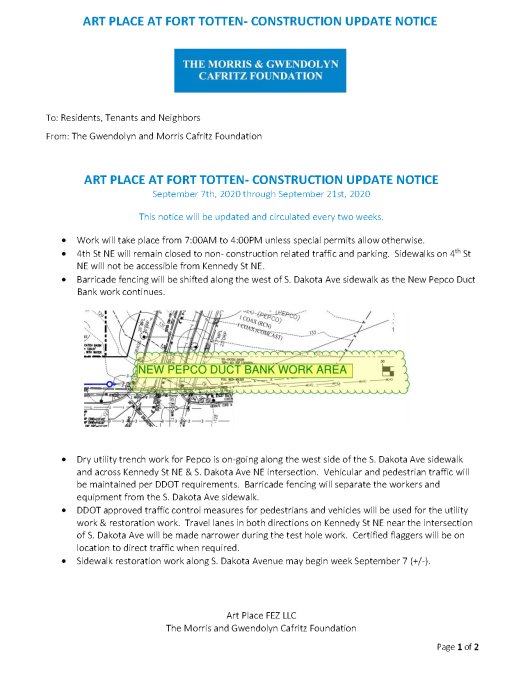
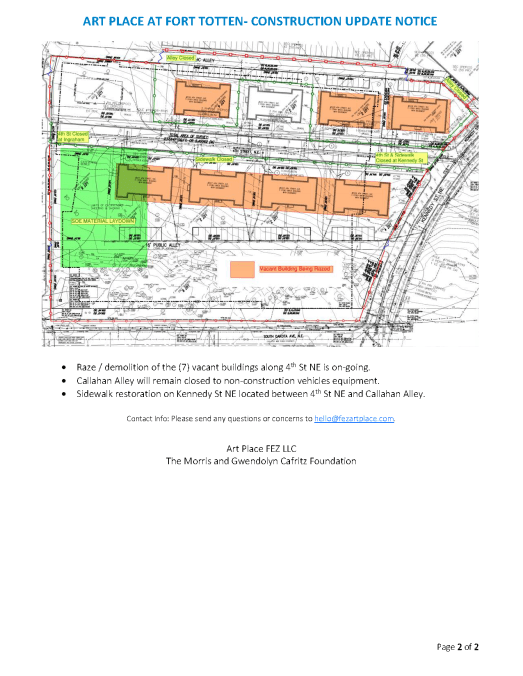
The DC Zoning Commission has finally issued a written order approving the second phase (Block B) of Art Place at Fort Totten. The conditions of the approval are outlined in the order beginning on page 28. The order will become effective upon publication in the DC Register on March 20, 2020. (Disclosure: I served as president of the Lamond-Riggs Citizens Association (LRCA) during the Zoning Commission’s review of Block B and represented the LRCA before the commission. I no longer serve on the board of the LRCA).

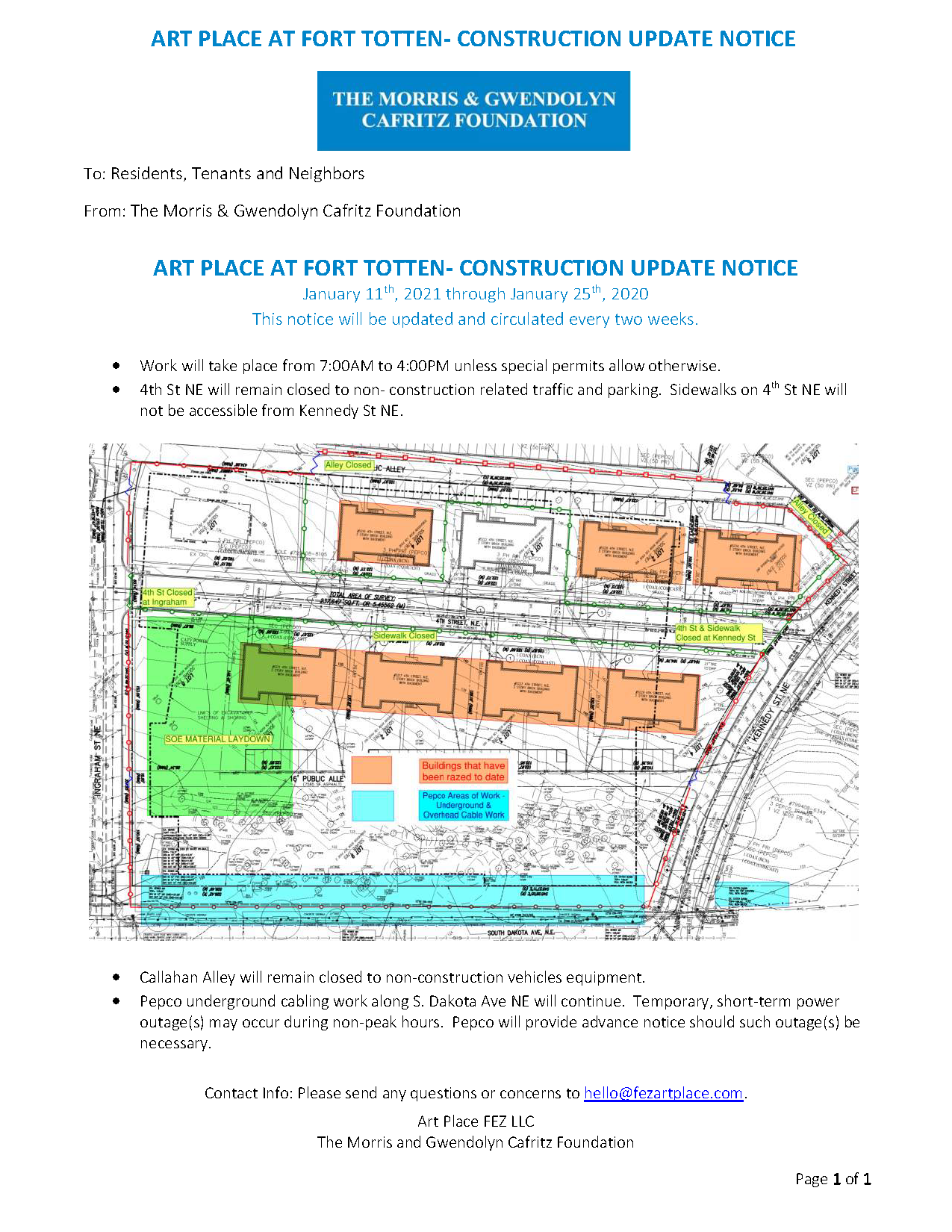
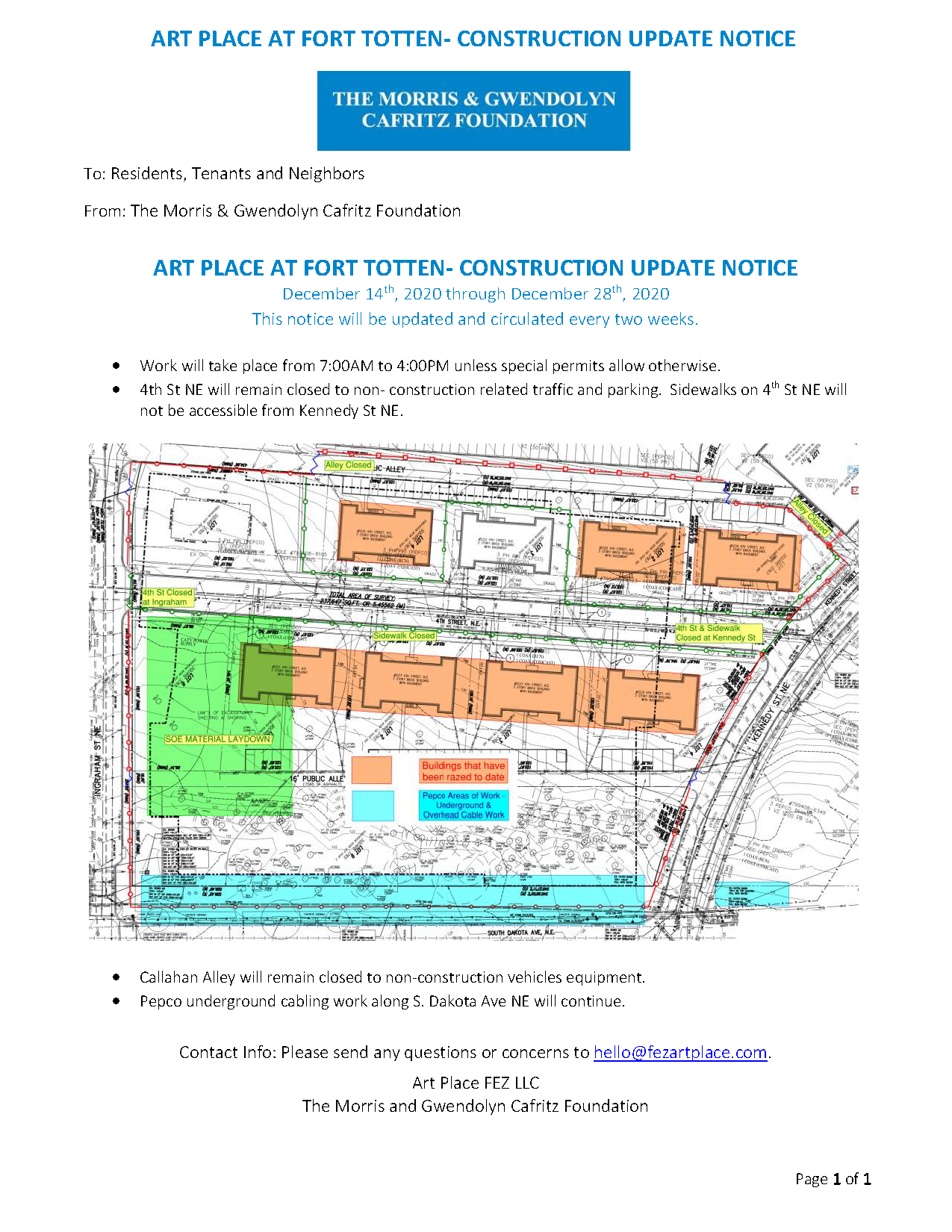
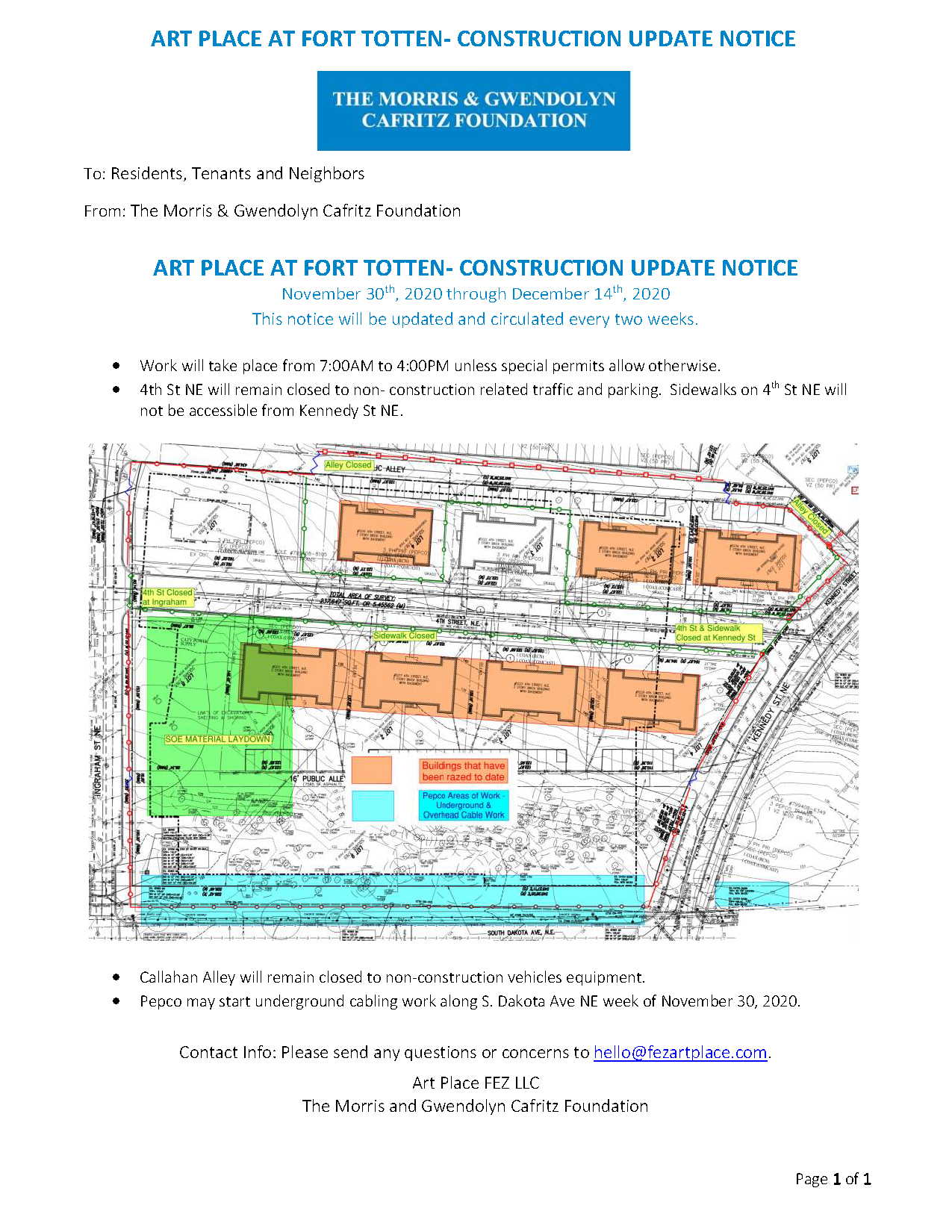
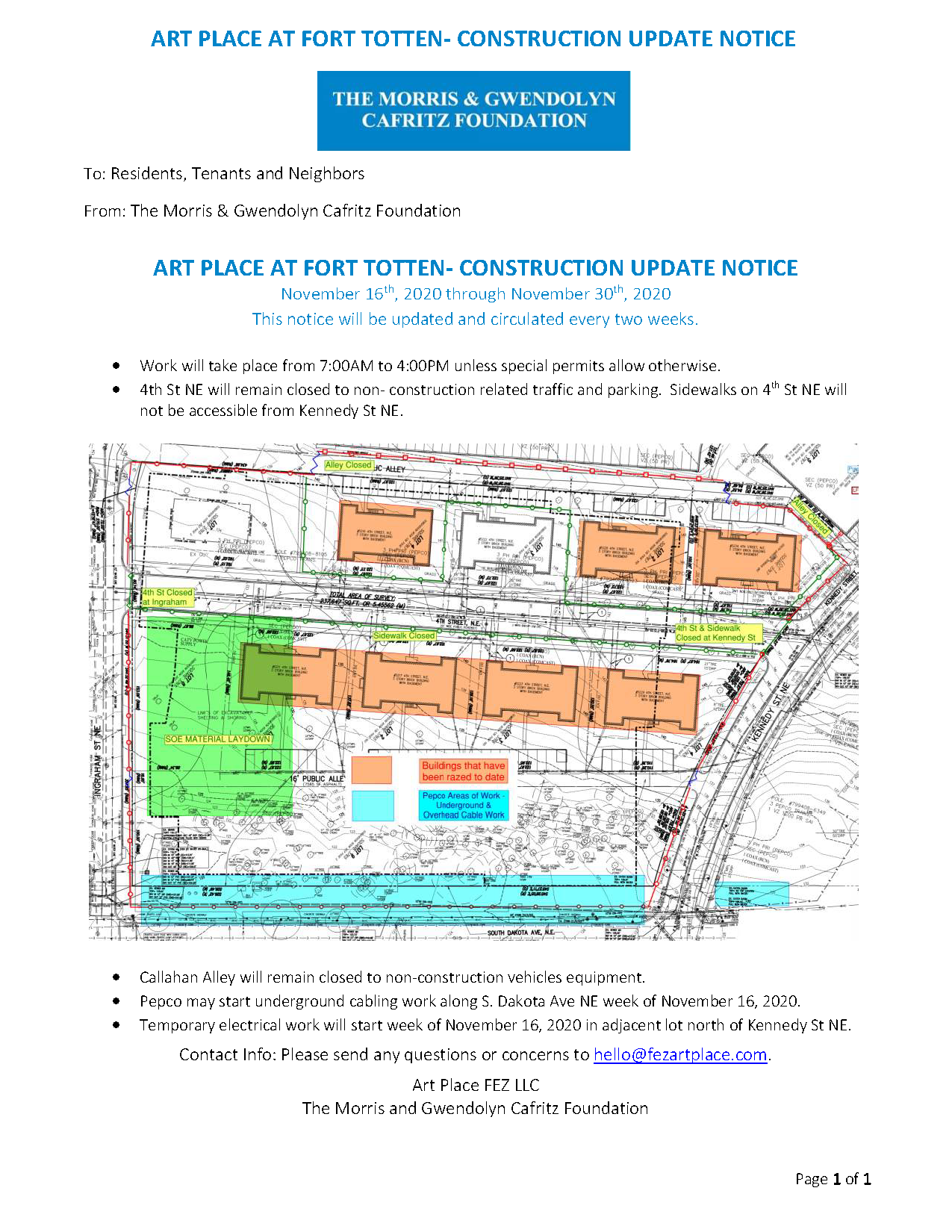
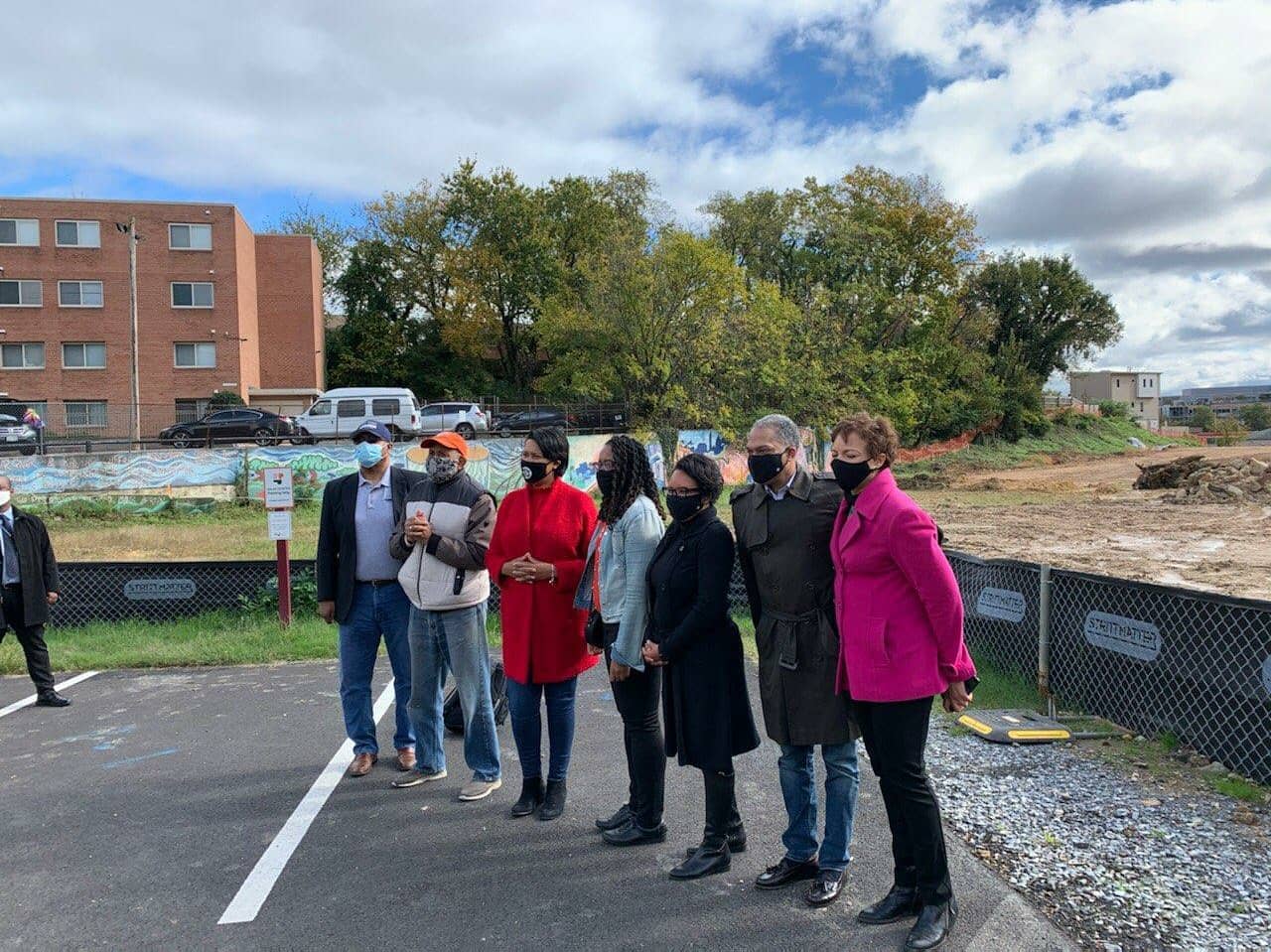
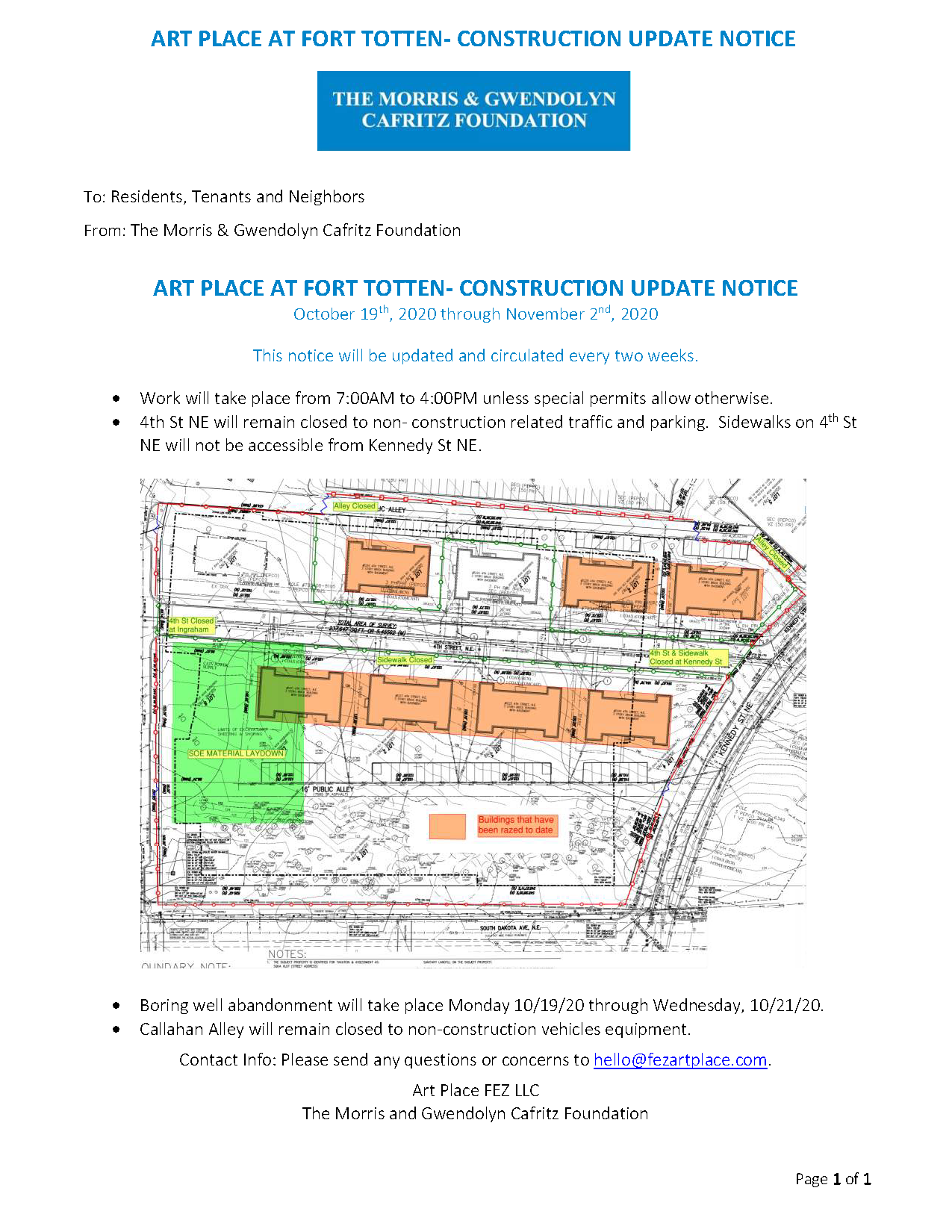
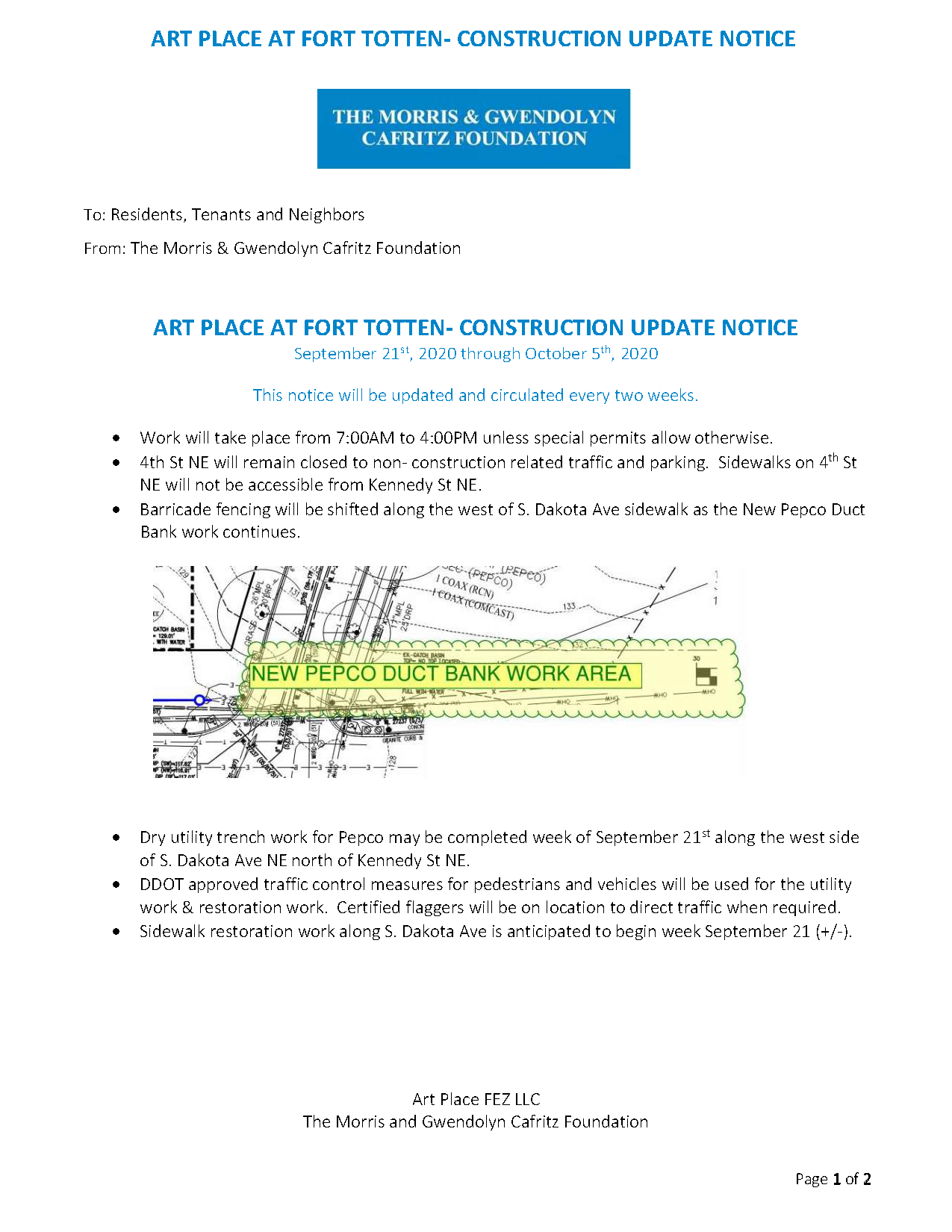
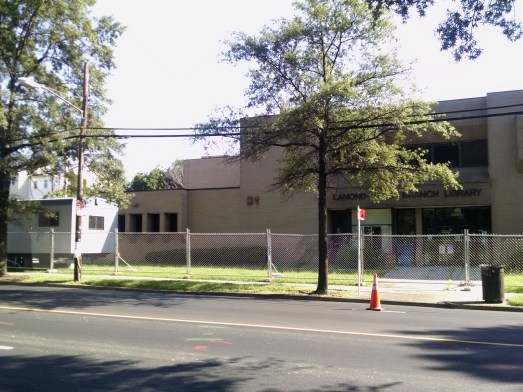
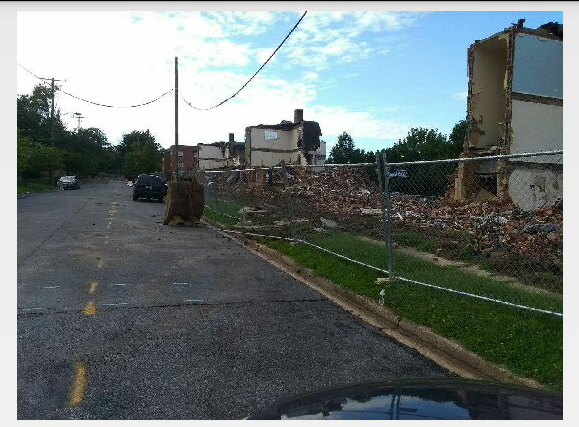
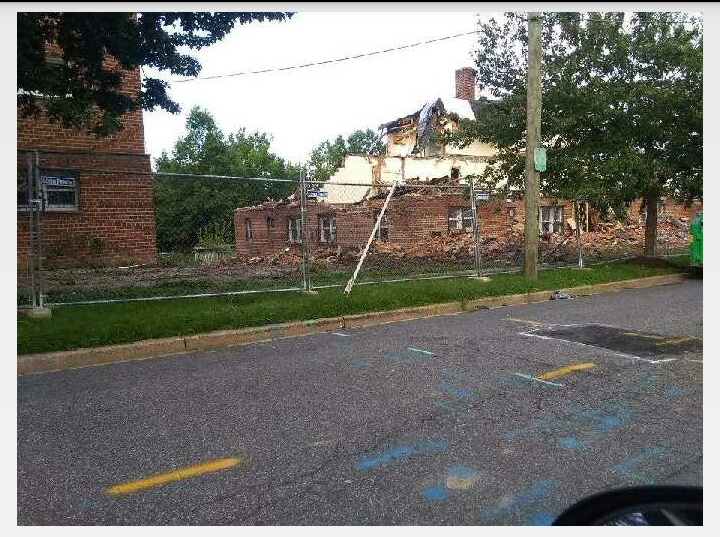
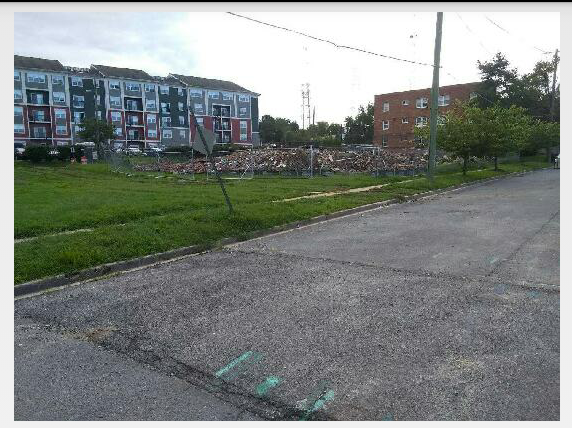
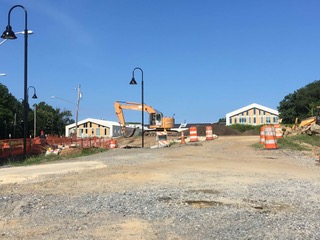
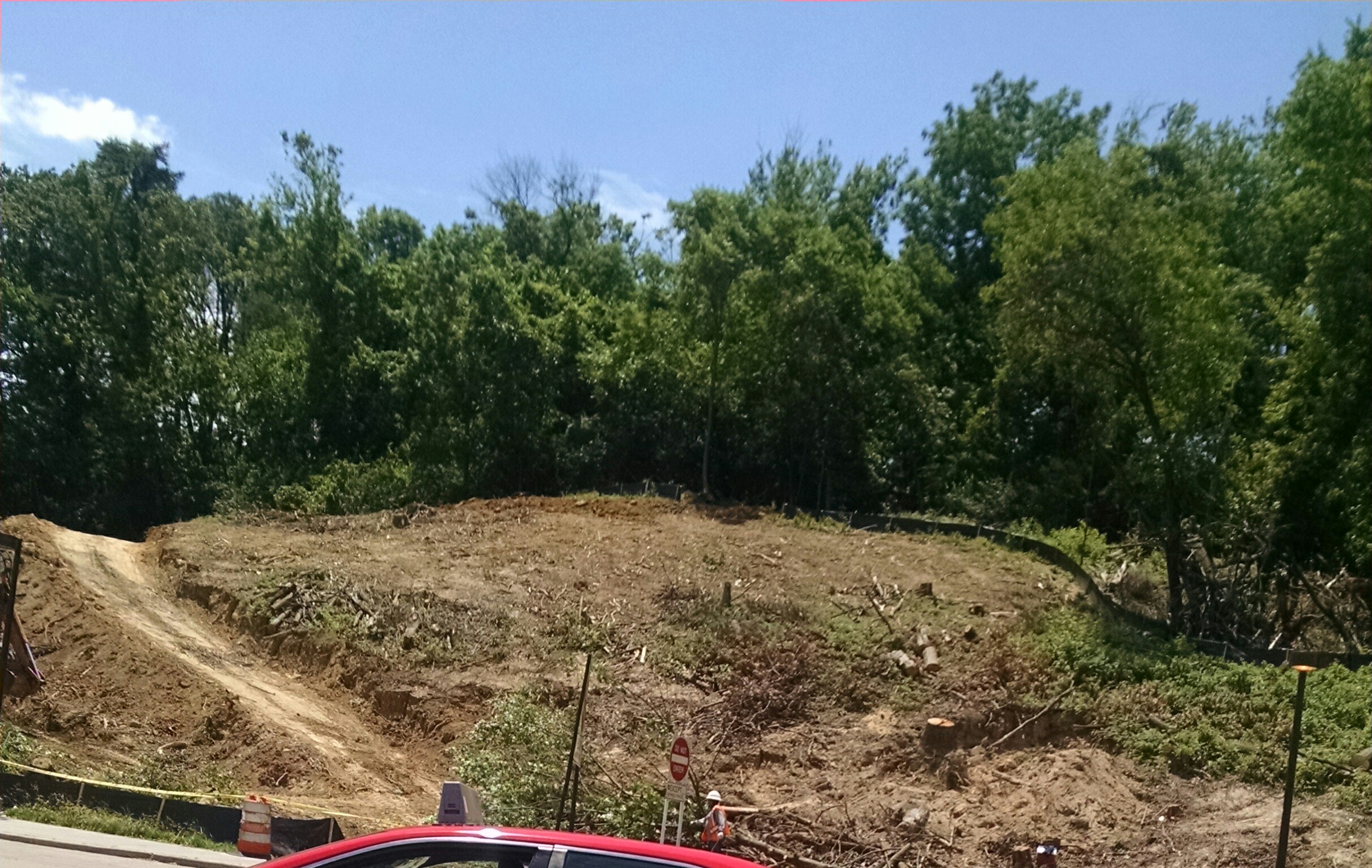
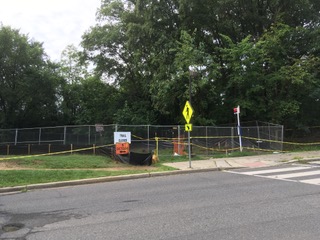
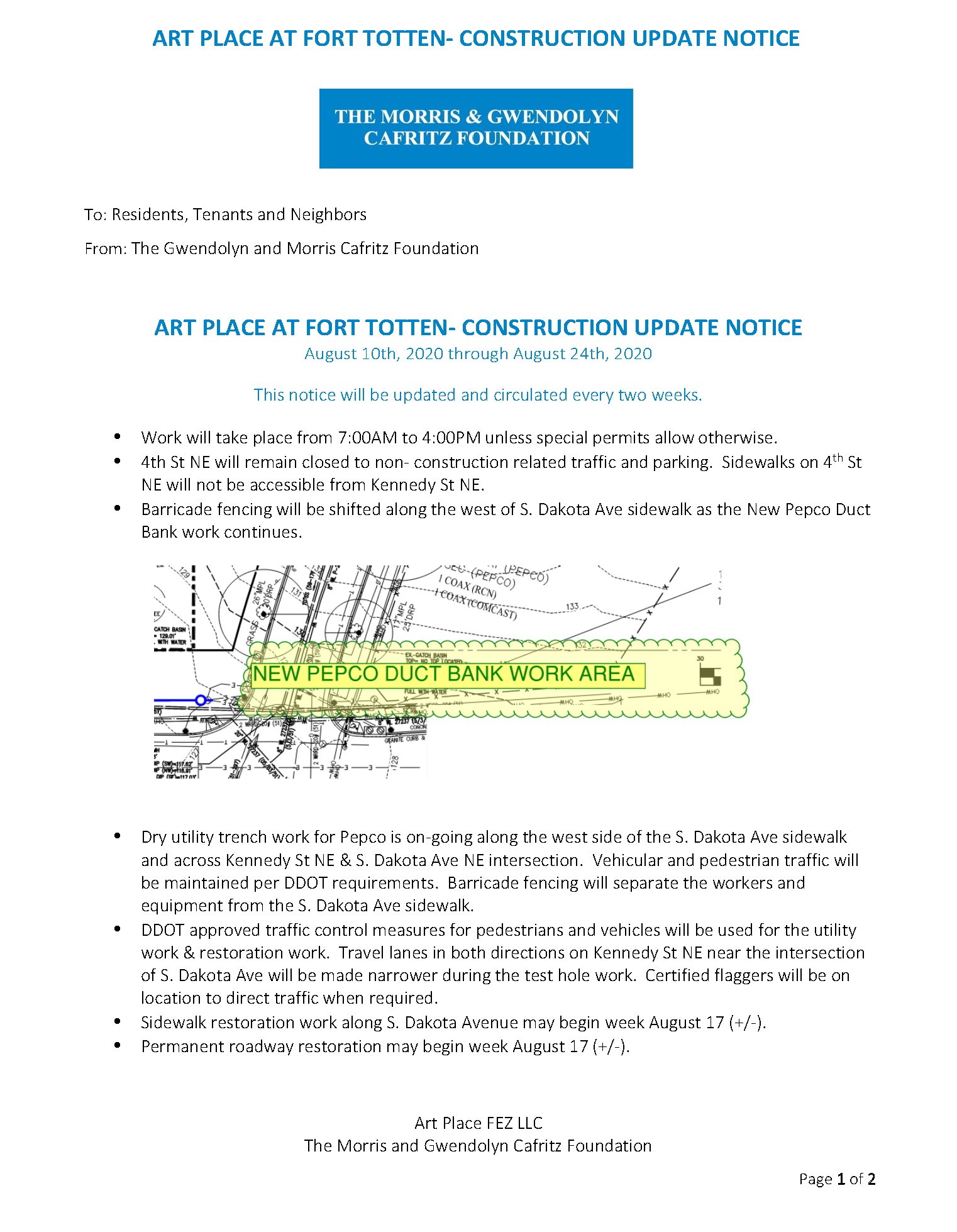
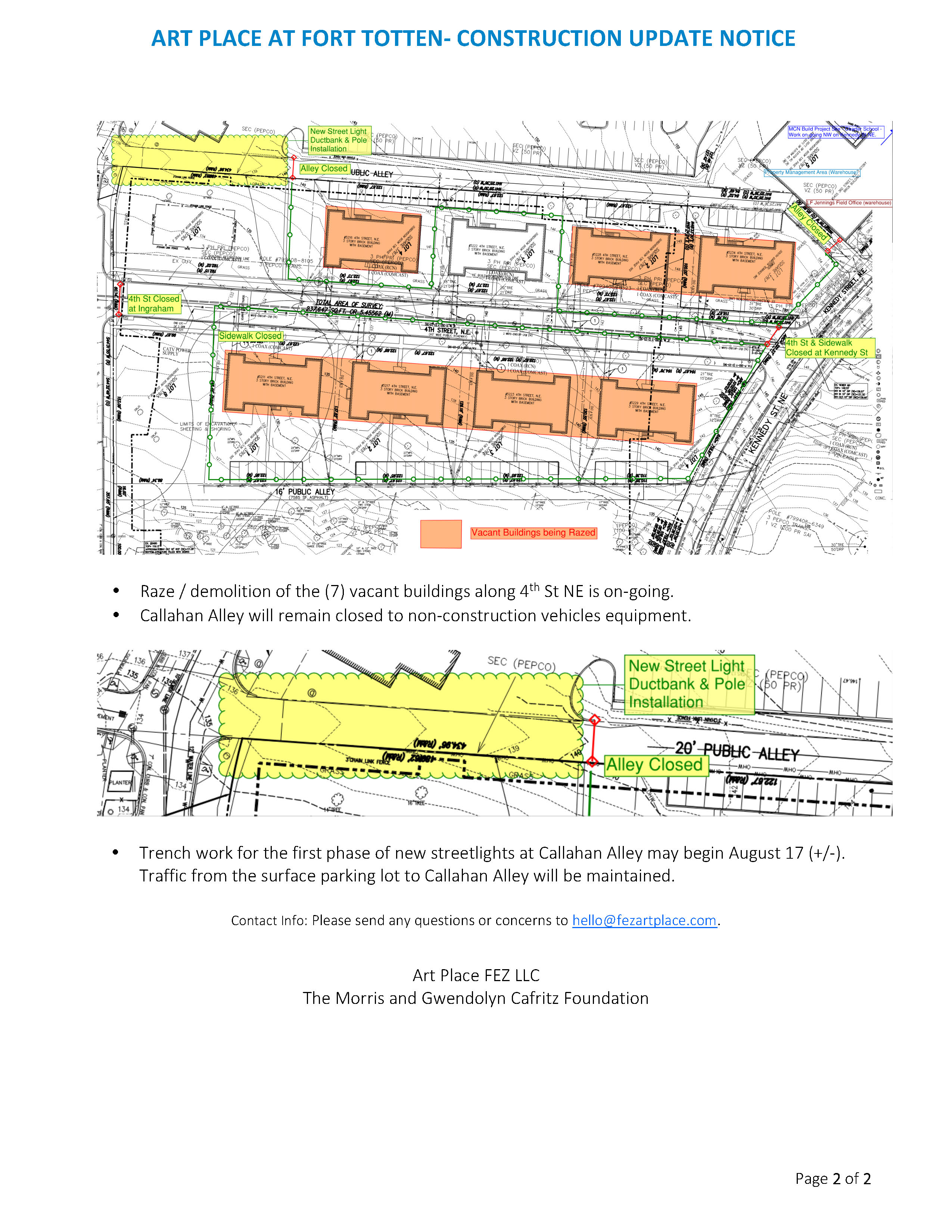
The commission voted to approve the project at a commission meeting way back in June 2019. The DC Council and mayor have approved the closure of 4th Street NE between Ingraham Street and Kennedy Street for the project. As noted in this pre-pandemic post, residents should expect to see a uptick in activity around the site in the next several weeks. Fencing has already gone up around some of the legacy Riggs Plaza Apartment buildings. ANC Commissioner Gordon Fletcher (5A08) will be the point of contact responsible for distributing construction information to the community.

Coming Back from the House Of Eternal Return

By David Kosub (Contributor)

On a recent swing through New Mexico to see some friends, we stopped in to visit the House of Eternal Return. This is Meow Wolf’s interactive, immersive art experience that started it all in Santa Fe.  What better way to get our heads wrapped around what’s coming to Riggs Park as part of Block B of the Cafritz Foundation’s Art Place at Fort Totten development, than to experience their first installation up close and personal. We had a blast. Here’s a sampling of what you may experience too…and don’t forget your 3-D glasses…

Meow Wolf, Santa Fe, NM

You start, as you would any time you come home, by getting the mail, but this is no ordinary mailbox…there are clues!

David Kosub at Meow Wolf’s House of Eternal Return

….upon entering the house, you see a scene, probably one pretty familiar to us all…

…while exploring the house, looking for more insights on what this family is up to, you find yourself being sucked into a portal…in the bathroom when nature calls nonetheless …

…going through the portal, you naturally find dinosaur bones, but not just any normal bones, these make music when you tap them. Yabba Dabba Doo!

…coming out the other side, you’re under water….

….traveling further, you begin to enter a magical forest world

…complete with a treehouse to play in.

…You stumble upon a bus…a tad askew, that probably has seen better days….

….and then, of course, you dance like you’ve never danced before to some deep electronic beats in the strobe light room ….

… portaling back from whence you came, you reanimate inside a cake, because, why not…

…other worlds exist to explore here with Meow Wolf, but you will need to go and experience it yourself. Before you leave though, don’t forget to stop and smell the roses

WBJ on Art Place at Fort Totten Phase 2

We reported on ramp-up of activity on the second phase of Art Place at Fort Totten in this post on ANC Commissioner Gordon Fletcher’s (5A08) February 2020 SMD meeting. Since then, the Washington Business Journal has run a couple of reports on the second phase. The first article (subscription required) is a feature on Sean Cahill, the development manager hired for the second phase. Mr. Cahill attended Commissioner Fletcher’s SMD meeting.

The second report (subscription required) notes that construction on the second phase is gearing up while the developer continues to lease up the first phase.

Phase one retailers include T-Mobile, ShiningStars Pediatric Dentistry and Ramdass Pharmacy, all of which opened in 2018. Still to open are a Love & Care Daycare, which is expected to open in the fall of 2020, and Rocketship Public School charter school, which will open in August for the 2020-2021 school year.

Another anchor, a 40,000-square-foot 24 Hour Fitness gym, is projected to open in The Modern by the end of the year. 24 Hour Fitness replaces the previously announced XSport Fitness, which fell through for the development.

While Cafritz declined to comment on why retail leasing has been such slow-going for phase one, the spokesperson said that the retail in phase two is already 40% pre-leased, mostly with entertainment tenants. That number doesn’t include a planned 25,000-square-foot Aldi grocer store at the development.

Phase two will consist of three multi-story, mixed-use residential buildings with 272 units, 30 of which will be accessory dwelling units, and the FEZ (family entertainment zone), which will house a food hall, the 30,000 square foot Explore! Children’s Museum and the 80,000-square-foot Meow Wolf multimedia museum. Phase two is projected to deliver by late 2021 or early 2022.

The Foundation says it intentionally sought to incorporate more experiential retail in phase two, which will also include flexible event space, studio space and maker spaces intended for community rental and to support local arts and culture programming.

Preliminary Chick-fil-A Traffic Analysis

Chick-fil-A (CFA) presented its preliminary traffic analysis at ANC 4B’s public meeting on February 24, 2020. You can find the presentation here and the draft comprehensive transportation review (CTR) here.

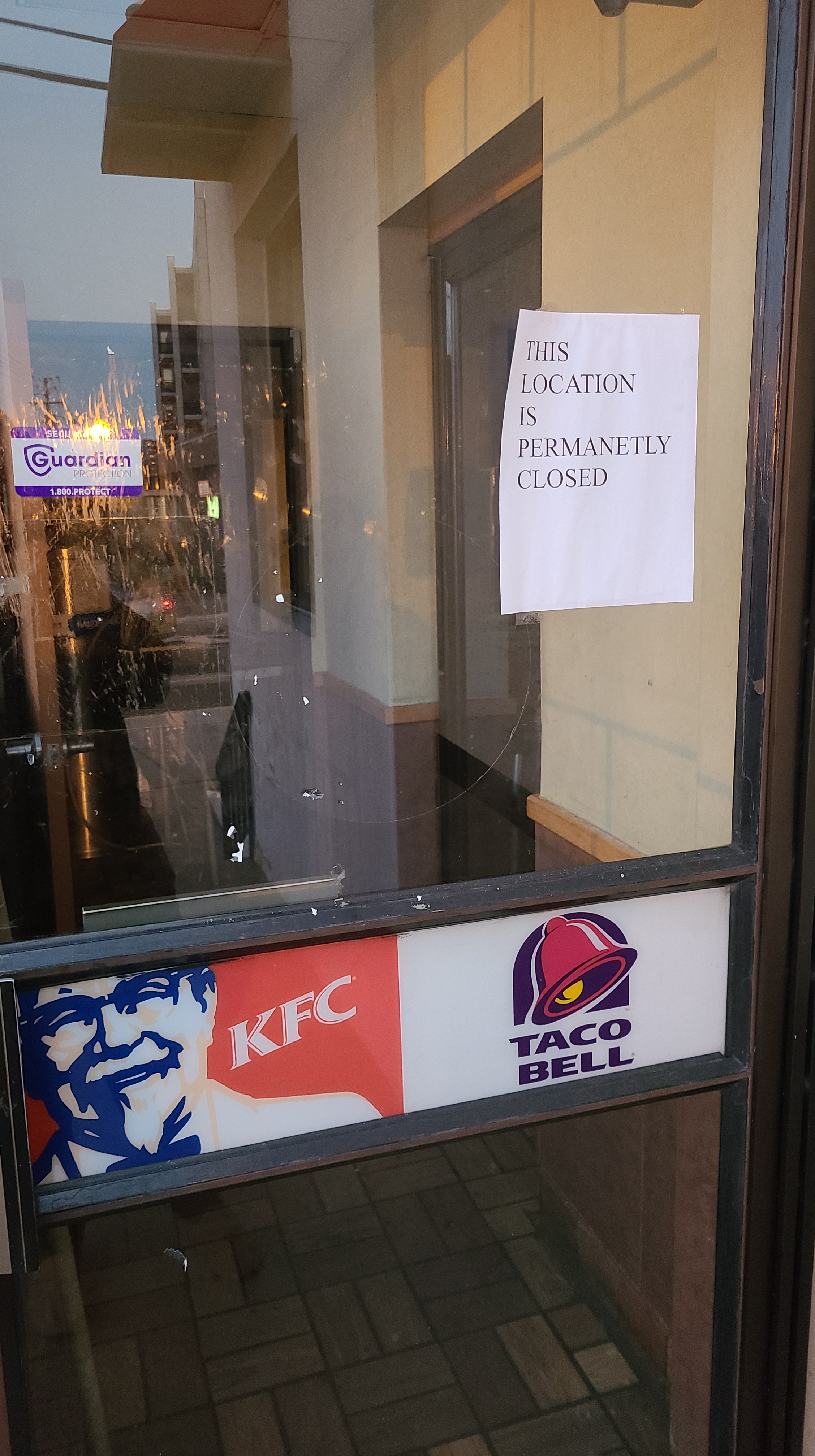
As previously reported, Chick-fil-A plans to demolish the existing Taco Bell/KFC building located at 220 Riggs Road NE and the vacant Dakota Liquor building next door and build a new building. Because this will be a new build, they must comply with the District’s Green Area Ratio regulation. Accordingly, they plan to have bioretention on site.

They scrapped their plan to have only drive-thru at the location. The new plan is for a 3,900 square foot building with 42 interior seats and 20 exterior seats. There will be 9 vehicle parking spaces and 6 bicycle spaces. There will be a dual drive-thru lane for ordering. They anticipate having space for 10 vehicles to queue in the drive-thru order lanes (5 vehicles per lane), space for 9 vehicles to queue for the payment and pickup window, and space for approximately 6 vehicles to circulate and queue on site if the drive-thru lanes are full. Commercial deliveries will be made outside of business hours.

The project is a matter-of-right project, but they will have to go through DDOT’s public space permit process because they plan to eliminate two curb cuts–the curb cut closest to the 3rd Street/Riggs Road intersection and one of the two curb cuts by Dakota Liquor. That will leave one curb cut on Riggs Road, which they will realign, and one curb cut on 3rd Street.

Proposed site plan

Site access and circulation

Turning to the details of the CTR, they anticipate that most drivers will approach the site from either South Dakota Avenue or Riggs Road. The biggest issue I see in the CTR is that CFA and DDOT know that for inbound trips, drivers will be making U-turns all over the place and apparently DDOT is fine with that.

Inbound trips

Drivers approaching from South Dakota Avenue will either decide to turn left on Riggs to enter the access point there or continue straight onto 3rd Street only to have to make a U-turn because of the median on 3rd Street to access the site from 3rd Street. DDOT does not want to remove the median. Drivers traveling eastbound on Riggs will either make a U-turn to access the site off Riggs or turn left onto 3rd Street to then have to make a U-turn to access the site from 3rd Street. Drivers traveling west on Riggs would be able to access the site from Riggs without making a U-turn. CFA stated DDOT anticipates only 5% of vehicles will approach the site from the 3rd Street/2nd Street NE intersection, which would require no U-turns at all.

The CTR states the site will be able to accommodate all queueing on the site without spillover onto public streets. In the case that there is spillover, they plan to have additional staff to assist with order taking, delivering orders, and directing vehicles to move to the overflow queue lane.

Queue operations

Overflow queue operations

They used data from a CFA location in Olney to support the assumptions in the traffic analysis. The CTR identified afternoon peak and Saturday peak as two periods in which vehicular travel around the site at the South Dakota Avenue/Riggs Road intersection could be impacted. The CTR states adjustment to traffic signal timing should mitigate the issue a bit. They are aware that other projects will come online in the next couple of years that will affect travel around the site, including the second phase of Art Place at Fort Totten and EYA’s Riggs Park Place townhome project. Also, the owner of the properties at 5642-5650 3rd Street NE has applied for a map amendment, so those properties will be redeveloped as well (though the owner has previously stated he has not identified an intended use yet). Once built out, more signal timing changes may be necessary.

I asked about the 3rd Street/2nd Street intersection because I did not see any reference to it in the presentation. Because of the assumption that only 5% of vehicles will approach the site from that intersection, I guess DDOT will not worry about it even though something clearly needs to be done about that intersection. Plenty of motorists use 3rd Street to avoid Riggs and so while they might not be going to CFA, there will be plenty of action happening between vehicles exiting the Walmart parking lot, vehicles making a U-turn on 3rd Street to enter the CFA, and vehicles traveling along 3rd to other destinations.

Interestingly, in the CTR, CFA identified three intersections that have higher than expected crash rates and anyone who lives in the neighborhood would not be surprised by the results: (1) South Dakota Avenue & Riggs Road/3rd Street; (2) Riggs Road and 1st Place NE; and (3) 3rd Street/2nd Street NE.

Chick-fil-A’s recommendations

CFA identified several recommended safety improvements primarily to address the South Dakota Avenue/Riggs Road intersection. DDOT does not have to undertake these improvements, but doing so would help to improve travel around the site. They include restriping, removal of two parking spaces next to the Walmart driveway on 3rd Street to improve sightlines, enforcement of no parking zones near intersection, better signage, and adjustments to signal timing.

Potential safety improvements

The South Dakota Avenue/Riggs Road intersection was reconfigured in 2011 to remove the slip lanes. Even reconfigured, it is poorly designed and really does need to be fixed. The one good thing that may come out of the CFA project is that residents have previously requested a traffic study of the corridor (which has not been done). Many of CFA’s recommended safety improvements are things that residents have requested for a long time so now that a business is recommending these safety improvements, maybe they will get done. Notably the CTR identifies that existing pedestrian facilities around the site are sorely lacking, again something for which residents have previously requested action. Perhaps those missing and deficient sidewalks and missing crosswalks will be addressed.

Existing pedestrian facilities around site

After looking at the traffic analysis, I am a bit skeptical about how all of this will work. Of course my big wish to get rid of the drive-thru entirely is likely not an option. This project is still about a year out so there is still time for CFA to make refinements. The project is located in ANC 4B, so if you have any thoughts, please share them with ANC Commissioner Alison Brooks (4B08) at 4B08@anc.dc.gov.

January 2020 Development Roundup

Here is a new year roundup with the status of a few neighborhood development projects to the best of my knowledge.

1. Art Place at Fort Totten

I have received a lot of questions about Art Place at Fort Totten, particularly regarding the first phase, which was completed in late 2017 at South Dakota Avenue NE between Galloway and Ingraham. Ramdass Pharmacy and Shining Stars Pediatric Dentistry have been open for a while now. Here is what we know or have been told so far about the rest of the retail spaces. The gym (24 Hour Fitness) and daycare (Love & Care Child Development Center) are under construction with completion anticipated the end of June this year. No word on when the urgent care center might open. A number of other retail spaces are under negotiation, but the developer is not prepared to share information at this stage about what those retailers might be. If you have specific retailers that you either have a connection to or want the developer to reach out to, please let the developer know (seriously).

As for the second phase, which will be located on South Dakota Avenue between Ingraham and Kennedy, as we know, it will be anchored by Meow Wolf, and will have an Aldi grocery store, Explore! Children’s Museum, food hall, maker spaces, around 270 rental units, and ground floor retail. Meow Wolf held community meetings last year and will continue its community outreach this year. The DC Council held a first vote on the closure of 4th Street NE between Ingraham and Kennedy on January 7, 2020, for this phase of the project. Construction is anticipated to begin first quarter of this year, but considering the DC Zoning Commission has not yet entered an order for this phase, it is unclear when we will start to see construction on the site.

2. Fort Totten South

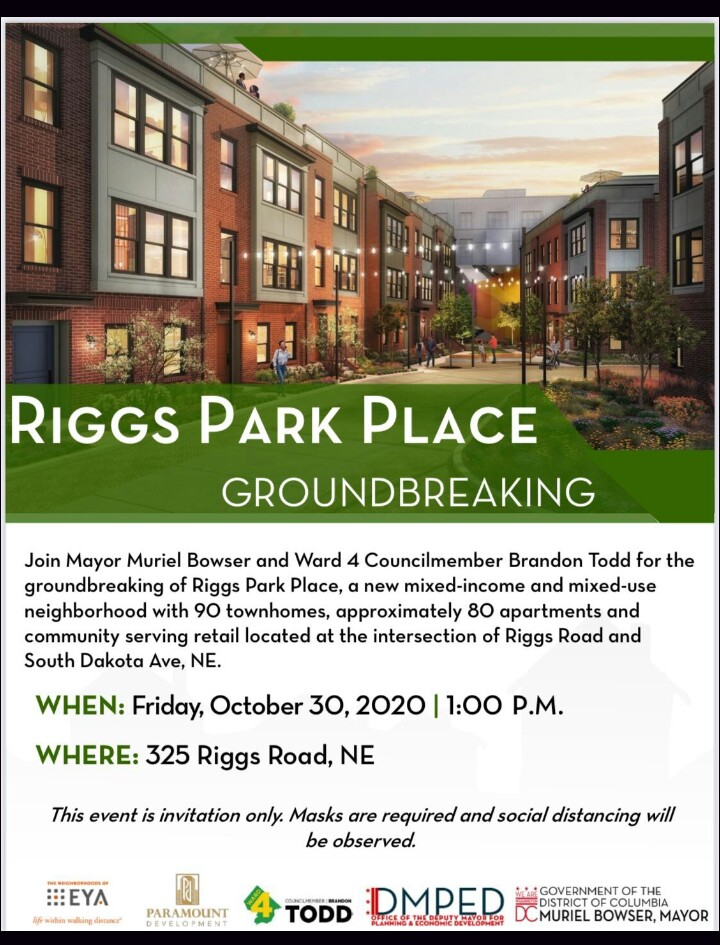
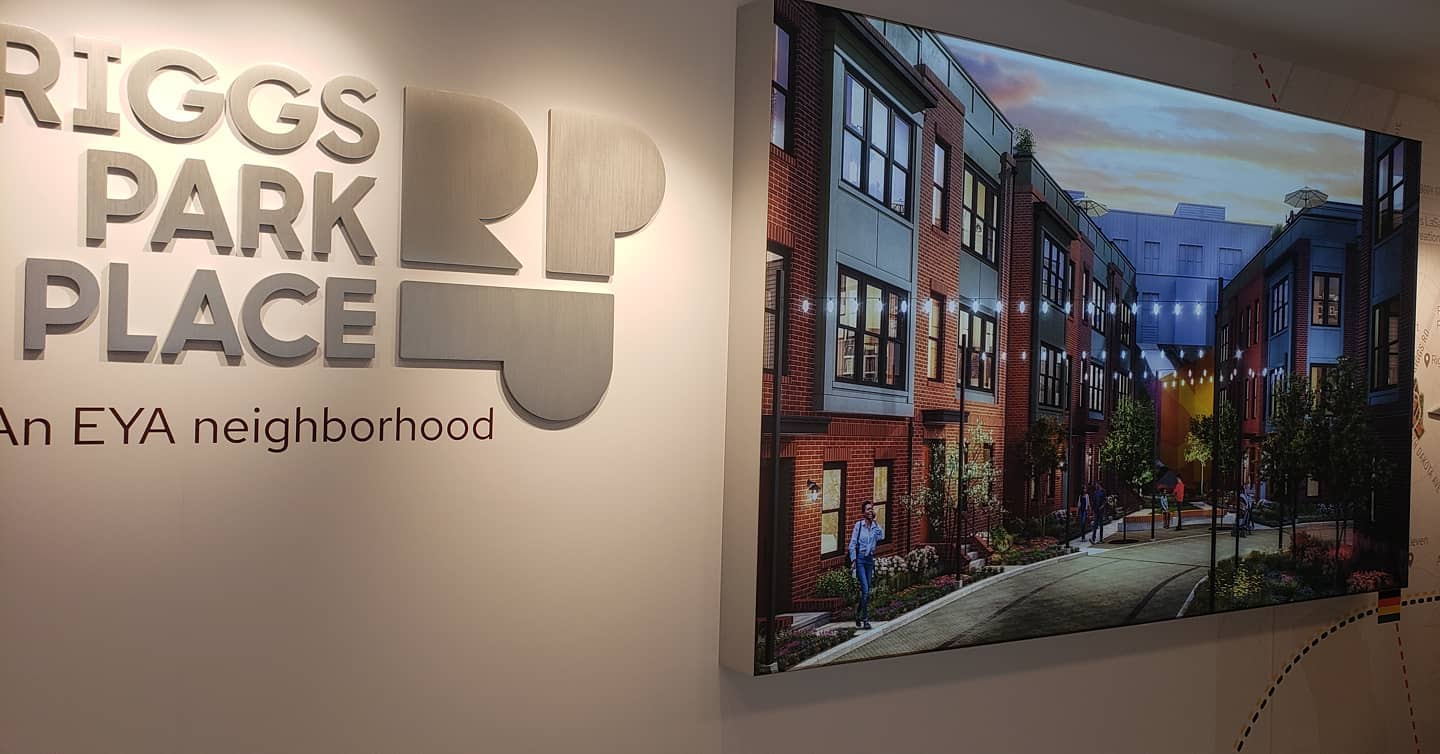
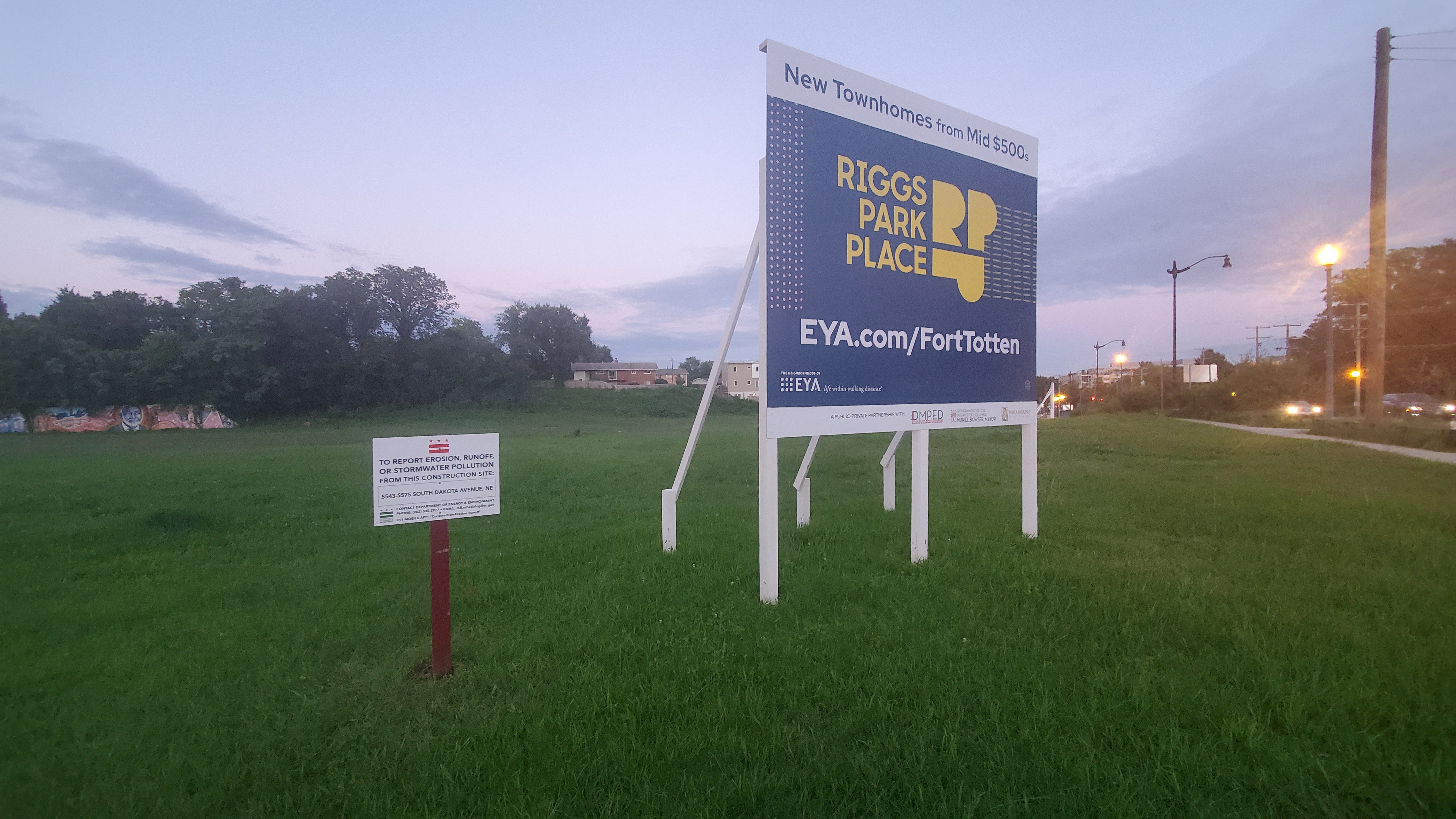
What we have known as the Fort Totten South project, or the second phase of Fort Totten Square planned for the southeast corner of South Dakota Avenue and Riggs Road NE, should finally be breaking ground this year. The “Coming Soon” sign and webpage for what they are now calling “Riggs Park Place” are up. This is the project that started out as mixed use rental apartments above retail that changed to a back-to-back townhome project with ground level retail that then changed to traditional townhome units with retail. As of June 2019, the project changed again to traditional townhomes with rental apartment units for seniors above ground floor retail. Look for activity likely around spring of this year.

3. Rocketship Charter School

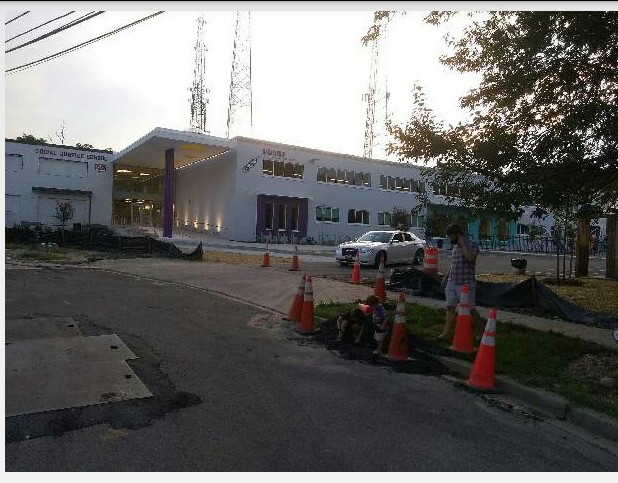
Interior renovation of the warehouses at 5450 Kennedy Street NE is ongoing for Rocketship Charter School. In addition to elementary instruction provided by Rocketship, AppleTree Learning Center will provide pre-kindergarten instruction, and the Social Justice School will provide middle school instruction. The campus is scheduled to open in fall 2020

4. Chick-fil-A

Stay tuned for more details about the Chick-fil-A planned to replace the KFC/Taco Bell on the corner of 3rd Street and Riggs Road NE. We have it on good authority that Chick-fil-A now plans to have interior seating. They are working on revised plans and hopefully will have those ready along with their traffic study in time for ANC 4B’s February meeting.

5. Lamond-Riggs Library

The design team is finalizing the design for the new Lamond-Riggs Library. An interim library will be housed at the Modern at Art Place on Ingraham Street NE. Given the regulatory and permitting processes required, DC Public Library officials cannot say exactly when the existing library will close, but they anticipate closing the existing library mid-year 2020 with the interim library opening a few weeks afterwards. View the planned design on the project website at https://www.dclibrary.org/newlamondriggs.

6. Metropolitan Branch Trail (MBT)

Projected completion of the MBT extension to Fort Totten has been pushed back to September 2020 due to project delays.

Residents will likely get updates on these projects from ANC 4B and ANC 5A as the year progresses, so be sure you are signed up for email notification for your ANC.

Yes, More Thoughts on Chick-fil-A, with a Side of the Comprehensive Plan

By David Kosub (Contributor)

Many words have already been written about the forthcoming Chick-fil-A development at the current site of the KFC-Taco Bell at Riggs Road NE and 3rd Street NE (see herehereherehere, and this entertaining Next Door rant here). Well, I had some more after reading the District of Columbia’s proposed Comprehensive Plan, currently open for public comment. As the Chick-fil-A development is expected to be discussed at the January ANC 4B meeting, I would like to provide a few more thoughts for consideration related to the visual character and environmental impact of this project in our neighborhood.

As I previously wrote about, the 2009 Small Area Development Plan for the South Dakota Avenue NE and Riggs Road NE corridor refers to the existing KFC-Taco Bell as an “opportunity site” for future development. Opportunities exist, as the plan notes, to have future development set back from the street allowing for a visually strong corner to be created with aesthetically unified, pedestrian-friendly, street-facing retail. Furthermore, as the plan goes on to say, future development should  consider accommodating aesthetic “landmark elements,” such as public art, open space, and vegetation, to “truly create a sense of place and assist with reestablishing the intersection as the heart of the neighborhood.”

To fully be the “heart of the neighborhood,” this intersection must be considered for streetscape improvements. Any future development should recognize this too. Similar to what is touted in Policy UNE-1.2.1 of the Upper Northeast Element of the Comprehensive Plan, such streetscape enhancements would make this intersection more visually appealing, professionally landscaped, pedestrian friendly, clean, safe with appropriate lighting, harmonious and respectful of existing structures, as well as convey a sense of local charm and culture. This goes for buildings and amenities that currently exist, together with those that are being planned for future development.

The aesthetics of the property must flow and connect with adjacent public assets, such as the triangle park on the southwest corner of the intersection, and future planned developments, such as the EYA project on the southeast corner. Wherever possible, native plants, shrubs, trees, and other vegetation should be installed to help address environmental objectives established by the District, such as mitigating storm water run-off, water and air quality improvement, and habitat restoration (Policy UNE-1.2.8), which also has the added benefit of beautifying our surroundings. Undergrounding power lines would also serve to enhance the visual character too. Any outside seating areas affiliated with the restaurant should be inviting, buffered from street noise, and a welcoming place to eat and socialize. Finally, the developers and operators of the facility should work with the South Dakota Avenue Clean Team to ensure this site remains clean as well as free from graffiti and other urban detritus.
The Comprehensive Plan also recognizes the value of green and open spaces in our city. For instance, in Chapter 8 focused on Parks, Recreation, and Open Space (PROS), it notes “the need for parks may be more critical in some areas of the city due to…denser development patterns without the aesthetic amenities afforded by open space.” Though I understand the developers are not looking to create a new park at this site, the need for green and open space still exists and can be addressed with their project.

In Policy PROS-1.4.3, for example, green space could “enhance the connectivity of parks and open spaces throughout the city [and could] be an important planning and design consideration, particularly where multiple large adjacent sites are being redeveloped,” such as in our neighborhood. The plan goes on to say that “small pocket parks, plazas, and other open spaces should be created [in employment growth areas[ to provide visual relief and space for outdoor seating” (Policy PROS-1.4.6). If indeed the new Chick-fil-A will have a walk-up order option for pedestrians, then perhaps it could be encouraged to develop “outdoor plazas…for public benefit and to encourage tree planting, public art, sculpture, seating areas, and other amenities” (Policy PROS-4.3.2). The District government may even provide “incentives for new…buildings to include green roofs,” rain gardens, landscaped open areas, and other common open space areas that provide visual relief and aesthetic balance” (Policy PROS-4.3.3).

Improving the visual character of this site aligns with the overarching goal of the Urban Design (UD) element of the Comprehensive Plan. This element aims to “enhance the beauty and livability of the city by…reinforcing the identity of its neighborhoods, harmoniously integrating new construction with existing buildings and the natural environment, and improving the vitality, appearance, and security of streets and public spaces” (Urban Design Goal 901). South Dakota Avenue NE, where the new restaurant will look out upon, could be an opportunity for the developers to help “reinforce the form and identity of the city, connect its neighborhoods, and improve its aesthetic and visual character” (Policy UD-1.4.1), with particular priority on higher design standards and a positive image. Such higher standards would contribute to activating this commercial area, “create visual interest through well-designed building facades, storefront windows, and attractive signage and lighting” (Policy UD-2.2.5). Finally, the plan does recommend requiring “streetscape improvements by the private sector in conjunction with development or renovation of adjacent properties” (Policy UD-3.1.11).

To further enhance the visual character of this site, I encourage the developers to partner with the community wherever possible to help provide needed resources to reactivate the triangle park on the southwest corner of the intersection. Private financial support [could help[ the District’s park and recreational facilities” (Policy PROS-2.2.6), such as through public-private partnerships for recreational purposes (Policy PROS-2.2.7). I recognize this is a by-right project replacing one fast food restaurant with another, so something like a community benefits agreement is unlikely, but having Chick-fil-A provide resources to improve the green space nearby would benefit all involved. Moreover, as noted in Policy UD-3.1.8, such public spaces could be activated through “the design of adjacent structures; for example, through the location of shop entrances, window displays, awnings, and outdoor dining areas,” which is also important for the developers to consider.
Paraphrasing the Comprehensive Plan one final time, open and green space provide many benefits to the form and flow of a neighborhood. A balance between development and open space is critical for our neighborhood to continue thriving, the psychological wellbeing of current and future residents, and the aesthetic qualities of the city. If you plan to attend the January ANC 4B meeting and/or reach out to your ANC Commissioner about this project, I appreciate your support to ensure this project, and any others in our neighborhood, consider these important green, environmental visual enhancements to neighborhood development as well.  
DC Office of Planning Extends Comp Plan Comment Period

Yesterday, DC’s Office of Planning extended the comment period for the Comprehensive Plan proposed amendments. See press release below.

DC Office of Planning

PRESS RELEASE

FOR IMMEDIATE RELEASE:
December 16, 2019

CONTACT: Jessica Carroll (OP) – (202) 550-6845; jessica.carroll@dc.gov

Bowser Administration Extends Public Review Period for Comprehensive Plan 

(WASHINGTON, DC) – Today, the DC Office of Planning (OP) announced that the public will now have until Friday, January 10, 2020 to review the Comprehensive Plan Draft Update (Comp Plan). In addition to extending the 60-day public review period, OP will now accept feedback from ANCs through February 14, 2020. Public review is critical for ensuring District residents get the updated plan that they deserve, and OP has adjusted its schedule to ensure sufficient time for review while also allowing adequate time for adoption of the Comp Plan by DC Council in 2020. In its current form, which was approved in 2006, the Comp Plan does not sufficiently address the District’s long-term needs around housing, equity, resilience, and public resources.

“The Bowser Administration is committed to ensuring the public’s voices and views are reflected in the update of the Comprehensive Plan,” said OP Director Andrew Trueblood. “Since 2016, the Office of Planning has heard from tens of thousands of residents to help shape the draft amendment and is extending the deadline to ensure this process remains inclusive.”

Public engagement for this update began with events in 2016 and continued with an official open call for amendments in 2017. OP received over 3,000 proposals through that public comment period. While these were the primary opportunities to weigh in on major substance and updates, OP also incorporated public input from other venues, including feedback provided through the DC Council’s review of the Framework Element in 2018 and 2019, OP’s DC Values Campaign, the numerous housing engagements in 2019, and the hundreds public engagements associated with the 40+ plans produced by District agencies that are a part of the Comp Plan update.

Since the draft Comp Plan was released on October 15, 2019, OP has provided numerous documents, summaries, and analysis of the proposed update; attended over 60 meetings with stakeholders; engaged in individual conversations with hundreds of residents; and hosted community meetings in every Ward. In total, through these various conversations, thousands of District residents have weighed in and continue to share their feedback prior. Feedback will be reviewed and incorporated as appropriate into the Mayor’s submission to DC Council in the spring. DC Council will provide final opportunities for public input prior to adopting the approved Comp Plan.

More information about the Comp Plan substance, process and opportunities for input can be found at plandc.dc.gov.

  ###

WaPo Profile on Fort Totten

The Washington Post is at it again. A profile on the Fort Totten neighborhood was published yesterday, but strangely it features residents who do not live in that neighborhood at all. ANC Commissioner Gordon Fletcher (5A08) lives in Riggs Park and Robert Oliver lives in North Michigan Park. The writer could have reached out to the Fort Totten Civic Association to speak with actual residents or the actual commissioner for that neighborhood. Not sure if that happened though.

As indicated in the profile, the borders of the Fort Totten neighborhood are Riggs Road to the north, the metro tracks to the east, Hawaii Avenue to the south, and North Capitol Street to the west. People often confuse the neighborhood with nearby neighborhoods like Riggs Park and North Michigan Park. The development taking place is not in Fort Totten; it’s all in Riggs Park. And as is usually the case with these profile pieces, other information is wrong. I was featured in one such profile on Lamond-Riggs back in 2015, so I know sometimes the writer gets quotes wrong or the conversation will be steered in a certain direction and certain statements end up sounding a little ridiculous out of context. Nonetheless, check out what the Washington Post says about the Fort Totten neighborhood.

Next Stop Neighbors: Jamal Gray with Meow Wolf

By David Kosub (Contributor)

Weird. Yes. Sci-Fi novel come to life. Check. DIY. Thumps up. Space and time traveling. Naturally. Coming to Riggs Park. Woot woot. That’s right, the immersive art collective Meow Wolf is revving up and getting ready to meet us. In this edition of Next Stop Neighbors, we’ll get to know the man who is tasked with the job.

Jamal Gray is Meow Wolf’s liaison with the artists in DC and the community here. Our conversation weaves in and out from his Aquatic Gardening Roots in the District, the history of Meow Wolf, his philosophy to be “neighborhoodly,” social impacts, his artistic flare, and a full body slam for good measure. LET’S GET READY TO RUMBLE!!!

Click here to listen to the conversation (running time: 19 minutes – we just kept going and going)

Jamal Gray with David Kosub

Background on Next Stop Neighbors:

Welcome to Next Stop Neighbors where we get an opportunity to hear the voices behind the faces and places in Lamond-Riggs and the surrounding communities. Through this podcast series, you will meet some friendly neighbors and hear their perspectives on the community through civil, casual conversations. From the small business owner who just opened up, to the non-profit organization trying to make a difference, to the community leader describing their vision for the neighborhood, and the resident around the corner who has lived here for 50 years, we all have a story to tell. We welcome recommendations and, better yet, your own 10-minute interviews too!

Can’t get enough Next Stop Neighbors? Check out these past conversations for more:

Robert “The Library Guy” Oliver (October 2019)
Soon-to-Be Moms and Soon-to-Be Dads (September 2019)
Explore! Children’s Museum (August 2019)
Troka Insurance (July 2019)
Ms. V and Culture Coffee Too (July 2019)
Bertie Backus Urban Food Hub (June 2019)
LRCA Forward Team (April 2019)
Ramdass Pharmacy (March 2019

Chick-fil-A: Renderings, Drive-Thru, & Delivery Kitchen Pilots

I finally got my hands on renderings for the Chick-fil-A planned to replace the KFC/Taco Bell at 220 Riggs Road NE, courtesy of ANC Commissioner Alison Brooks (4B08). Also, a neighbor sent me a Reuters article entitled, “U.S. restaurants remove dining rooms to speed off-site food frenzy.” It describes the use of so-called “dark kitchens” and the real estate and labor cost savings that result from providing service only via drive-thru or pickup windows for mobile orders:

The newest Chopt Creative Salad Co location, which opened Tuesday in New York, is unlike any of the chain’s other 61 sites. It has no cash registers or tables for customers.

Atlanta-based Chick-fil-A Inc has similar sites in Nashville and Louisville, where customers order and prepay online with the option for delivery or pickup.

Chick-fil-A is also trying something different, opening three pilot “delivery kitchens” this year – in Chicago, Los Angeles and near San Francisco. The latter is run by delivery platform DoorDash Inc.

At those sites, the chicken chain shares kitchens with other restaurants to prepare food for delivery only.

Off-premise digital orders are a major growth area for fast-food and fast-casual chains. More are turning to these so-called dark, virtual or ghost kitchens, which can also save labor and real estate costs.

“U.S. restaurants remove dining rooms to speed off-site food frenzy” by Hilary Russ, available at https://www.reuters.com/article/us-fastfood-kitchens-idUSKBN1XP1A1

Unclear if that is what is going on for the location planned for this neighborhood, which will be drive-thru only with a walk-up window. But as I mentioned before, 2,600 square feet is more than enough space to have interior seating, so surely the decision not to include interior seating is a business cost decision, not one based on “room.” And if that space is not being used for interior seating, then what is it being used for. Plenty of businesses have figured out how to streamline mobile order and pickup while also providing standard in-person ordering and dining. This is a by-right project, but ANC 4B should find out exactly what Chick-fil-A is planning for this location.

Edit: Media also report on Chick-fil-A’s recent change in charitable donation priorities.

Exterior View
Exterior View
Exterior Elevations (North & South)
Exterior Elevation (East & West)

More thoughts on Chick-fil-A

Blog contributor David Kosub did a nice job of explaining why swapping fast-food for fast-food at a major intersection in the neighborhood represents not much of an opportunity in this post. Here are my thoughts on Chick-fil-A that I originally started composing as a way too long comment to his post.

1. Make community engagement useful. Chick-fil-A representatives are scheduled to attend ANC 4B’s meeting on November 25. I hope they bring at least a basic one-pager/fact sheet with an overview of the project, the process, timeline for when certain steps of the process will take place, construction plans, and answers to questions already asked by residents that can be posted on 4B’s website so that everyone is on the same page. This is basic community engagement and even though this is a by-right project, Chick-fil-A should want to be a good neighbor and there should still be a basic level of engagement.

2. Make the public space permit process useful. We have been told that the only public comment process required for this project is DDOT’s public space permit process. ANC 4B will have an opportunity to comment on Chick-fil-A’s application once that is submitted. I really hope DDOT and the development team have some fantastic ideas about how to manage accessing this corner location. As David mentioned in his post, I do think there is also an opportunity to make this space as attractive as possible for that corner, especially if Chick-fil-A is going to be leasing this space for many years. The existing KFC building is not an eyesore to me, but if the Chick-fil-A team is going to knock down two buildings (one of which is an eyesore) and put up an entirely new one, might as well make this corner as visually appealing as possible. For example, they could do a lot with native landscaping to deal with stormwater runoff. How they design the outdoor seating and the exterior of the building, having adequate trash receptacles, placement and containment of their dumpster, all those are things that I hope they are prepared to address. And I do hope The Parks Main Street will present some ideas to Chick-fil-A for this part of the process.

3. Provide traffic mitigation measures. At the Lamond-Riggs Citizens Association (LRCA) meeting on November 4, the Chick-Fil-A representatives noted that there will be a dual lane for ordering, which they say will allow the location to accommodate more cars on the lot and minimize the number of cars in the street. But I am guessing there will still be lots of cars idling in the street. We know that Chick-fil-A is just very popular and people are completely willing to wait in long drive-thru lines for their food (no judgment, just fact). A traffic study still needs to be done, but I would like to know what other mitigation measures they will take, such as utilizing traffic control officers if that becomes necessary or staff to walk the lines to speed up the order process.

4. Have interior seating. They could not answer the question of how much of the buildable lot (the KFC plus the former Dakota Liquor building next door) they are using for the building itself. As noted, the new building will be approximately 2,600 square feet, which is a fairly decent size for an operation that is not planned to have interior seating. I am not sure how big the current KFC is, but I am really curious about why they say there is no room for interior seating. For comparison the Five Guys at Fort Totten Square, which does have interior seating, is roughly 2,200 square feet. I suspect the decision has more to do with staffing decisions and construction and business financing than “room,” but that is just speculation on my part. I do think having a little bit of interior seating would be better and make this a more walkable location, especially if they really do keep the number of parking spaces minimal at nine or less. I am curious how many public restrooms there will be. To me, what would be even better is if they built a location like the one in downtown Silver Spring. Of course I have to acknowledge that there are large parking garages in downtown Silver Spring for people to park, which we do not have in this neighborhood. And of course they are attracted to this location precisely because it already has a drive-thru so they do not have to jump through hoops to put one in. Still, parking and interior seating do not have to go hand-in-hand and this location should have interior seating.

5. Support the community and support local. The Chick-fil-A representatives are likely aware of the reputation of its owners, who support anti-LGBTQ causes. The representatives made a point of noting that while Chick-fil-A corporate is responsible for leasing, purchasing equipment, and building out each restaurant, each Chick-fil-A has its own operator who is responsible for hiring and who decides what kinds of groups to support. This distinction between the corporate owner and the franchise operator is a point that has been made before in response to protest. This distinction of course might not matter to some, but if Chick-fil-A does get this location off the ground, people should not be shy in recommending how this location can support community groups.

6. This could be a good opportunity for the neighborhood, maybe. Objectively speaking, Chick-fil-A is probably a higher quality fast food restaurant than KFC/Taco Bell (don’t @ me). When you look at the Vibrant Retail Streets Initiative that was done for this neigborhood in 2015, Streetsense and DC’s Office of Planning stated that for a neighborhood like this one with a few long-term businesses and an untested retail market with a slew of new development on the way, the goal should be to continually seek to upgrade retail options to get to the retail that we really desire (see Part I: Market Analysis; Part II: Retail Attraction; Part III: Start at Step One). For example, a Subway may become a Panera Bread (just an example for the Subway lovers out there). So from that perspective, having a Chick-fil-A replace a KFC/Taco Bell would be moving in the direction of “better” for the neighborhood, especially if the Chick-fil-A has interior seating, and might be a good way of proving the market for more desirable retailers.

That said, as an aside, I am a little curious what other retailers, particularly food and beverage retailers, have approached or been approached by this particular property owner (and others in the neighborhood). I know that this is not the first time Chick-fil-A has shown interest in this particular location, so when I hear things like XYZ retailer is not interested in the neighborhood or the other myriad excuses for not having a sit-down restaurant, I do suspect something else is going on, like seeking a lease rate that is kind of ridiculous. I believe The Parks Main Street is working on a strategy for retail attraction so that it is not done haphazardly and residents do not feel like things are just being dropped on the neighborhood with no regard to impact because they are by-right projects (like a 117,000 square Walmart or a planned Chick-fil-A drive-thru with no interior seating at a major intersection).

These are just my thoughts on how we can help the ANC help us try to maximize what little opportunity may exist as we go through this process. I do hope people will provide constructive feedback to ANC 4B as we move forward.

Fast Food for Fast Food – Not Much of an Opportunity for Riggs Park

By David Kosub (Contributor)

At the November Lamond-Riggs Citizens Association (LRCA) meeting and as we first read about here, we learned that Chick-fil-A will likely be replacing the KFC-Taco Bell at the corner of 3rd Street NE and Riggs Road NE. The 23-minute audio from the meeting is available here (apologies for the poor sound quality).

Representatives from Chick-fil-A informed us they seek to create a 2,600 square foot facility at 220 Riggs Rd NE, with a drive-through and pedestrian walk-up order option. There may be nine or ten parking spaces, bike racks, and outside seating, but no indoor seating due to a claim of insufficient room available.

If there is one thing this community seems to agree on, it is the desire and need for quality sit-down restaurant options in the neighborhood. Though fast food joints can barely be considered a restaurant in my book, it is disheartening that we would lose one that currently has indoor seating for one that does not. It is also unclear how often patrons would opt for outdoor seating, especially in times of inclement weather.

As I stated at the meeting, I believe replacing fast food with fast food is not much of an opportunity for this neighborhood. In the 2009 Area Development Plan for the South Dakota Avenue NE and Riggs Road NE corridor, it refers to the existing KFC-Taco Bell as an “opportunity site” for future development. Opportunities exist, as the plan notes, to have future development set back from the street allowing for a visually strong corner to be created with aesthetically unified, pedestrian-friendly, street-facing retail. Furthermore, as the plan goes on to say, future development should  consider accommodating aesthetic “landmark elements,” such as public art, open space, and vegetation, to “truly create a sense of place and assist with reestablishing the intersection as the heart of the neighborhood.” Call me a cynic, but somehow having another fast food option at this busy intersection does not rise to the Area Development Plan’s aspirations.

Naturally, traffic was a touch point at the meeting. The developers are proposing replacing some existing curb cuts to help with traffic on Riggs Road and on 3rd Street, allowing one way in and one way out of the site. Their traffic engineers are studying traffic patterns and also recognized the issues with illegal U-turns on Riggs Road and on 3rd Street and with Walmart drivers exiting onto 3rd Street. When completed, they will share findings with the Distrist Department of Transportation Public Space Committee. Proximity to metro was mentioned as a positive, but I assume that the vast amount of patrons will be driving, not taking metro to come here from some other part of the city for their waffle fry fix.

The complete process including DDOT agency review, ANC4B presentation, community engagement, and public comment is expected to take nine months. Of note, a hearing with the Board of Zoning Adjustment is not needed as this is a by-right project, which involves simply replacing one fast food restaurant with another. There is a chance the Chick-fil-A representatives will be present at the November or December LRCA Development Task Force meeting, but the chairs of that committee (one of whom is the LRCA president) have not shared any specific details yet.

Beyond the discussion at the meeting, a 2019 retail market analysis encouraged The Parks Main Street (on whose Board I serve) to continue attracting new small local businesses to enliven Riggs Park. It also reinforced the notion that “there is un-tapped demand for sit-down restaurants…and available space for arts, flex, and community uses.”

As this fast food location evolves from one chain to another, I hope the developers will be willing to work with The Parks Main Street in designing a visually appealing streetscape (if such a thing is doable for a drive-through fast food joint) that both beautifies the neighborhood and is one that current and future residents can enjoy. If done well, perhaps this may incentivize an actual locally-based sit-down restaurant to set up shop in Riggs Park too.

All this said, and putting the values and politics of Chick-fil-A corporate owners aside for the moment, I will remain open to hearing what the developers have to say. We should also continue making our voices heard to ensure the community’s concerns are addressed as this process moves forward.

Culture Coffee Too 2nd Anniversary Exhibition, Craft Show & DMV Black Restaurant Week

This week is DMV Black Restaurant Week. A number of restaurants in the DC area are offering discounts, including our own local coffee shop Culture Coffee Too, located at 300 Riggs Road NE. Check out the shop for special promotions.

This November marks Culture Coffee Too’s second anniversary. Stop by the Second Anniversary Exhibition on Friday, November 8, 6:00 pm-8:00 pm.

Culture Coffee Too
Second Anniversary Exhibition: Disruptors in Color

Opening Reception
November 8, 2019
6:00 pm-9:00 pm
300 Riggs Road NE

Culture Coffee Too Second Anniversary Exhibition November 8

On Saturday, November 9, check out CCT’s Craft Show. Find crafts, jewelry, sweets, and more

Culture Coffee Too Craft Show
November 9, 2019
10:00 am-3:00 pm
300 Riggs Road NE

Culture Coffee Too Craft Show
Culture Coffee Too Craft Show November 9, 2019

Meow Wolf Community Meeting Recap

On October 24, 2019, Meow Wolf, a Santa Fe-based arts and entertainment group, held a community meeting about its plans to open a new location here in the neighborhood in Riggs Park. Meow Wolf is planning locations in Denver and Las Vegas as well.

The meeting served as the company’s introduction to the community. It is challenging to articulate what exactly Meow Wolf is. Danika Padilla, Senior Director of Social Impact, started off by sharing the company’s origin story. It was started by a group of friends in 2008 as an artist collective who just wanted to make weird, interesting, immersive art, and that is what they offer. For example, for one exhibit, an artist who uses a wheelchair designed a space with low ceilings so that people could engage with the space from the perspective of someone in a wheelchair.

Since 2017, it has been a certified B-corporation, a certification for businesses that want to do social good. It is not a nonprofit organization. They describe their business as one with a triple bottom line focused on financial, social, and environmental well-being. Their website has a lot of information about their philanthropy, artist engagement, DIY Fund, and community support.

Han Sayles, Director of Artist Collaboration, spoke a bit about the artist engagement piece and how the company wants to know how it can serve the DC area artist landscape. They are very interested in providing a space for local artists to share their work and be paid fair compensation for their work.

They were also there to listen and find out how they can be a good neighbor. They have hired a local DC artist and resident, Jamal Gray, to serve as a community outreach liaison. They posed several questions to get the conversation started, listed below in no particular order:

  1. In what ways can Meow Wolf support artists?
  2. What inspires you about your community?
  3. What is important to know about the community?
  4. What do you enjoy doing for fun in your community?
  5. How can Meow Wolf be a good neighbor?
  6. What advice would you give to foster inclusivity and accessibility for local residents?
  7. Are there local resources or groups that Meow Wolf should be aware of?
  8. What are the challenges for new businesses coming into the area?
  9. What else would you like Meow Wolf to know?

There were actually two sessions in the same evening; information presented at each was the same. I only attended the second session, so I am only sharing observations from that session. Besides providing feedback on these questions, audience members raised questions about a variety of topics. It was apparent that some people did not realize that Meow Wolf will be part of a much larger development, Art Place at Fort Totten. People asked what other retailers will be part of the development, stating their desire not to have chains. Meow Wolf has no control over that, but did state they have asked the Cafritz Foundation, which is developing the project, to prioritize local retailers. One resident raised a point about making the space environmentally green, considering the number of trees that will be cut down for the development itself. Meow Wolf talked about wanting to have a compost system. They also noted that in Santa Fe, 70% of the visitors are tourists, so for DC they really want to think about ways to incentivize using public transit to access the site.

There was a protracted discussion about gentrification and how some believe this project will be a gentrifying force in the community (gentrification being undefined). Meow Wolf noted that they prize community engagement, showing up and listenting to the unique needs of the community. To that end, they plan to have a community advisory group for the DC location just as they do for their other locations.

They are really interested in finding out how they can be helpful in the local DC area artist landscape. For example in Denver, with the community advisory group, Meow Wolf set a goal that 40% of the artists involved in that location be local artists, and they said they have reached that goal. The artists in the room asked about the boundaries of what is considered a local artist, to which Meow Wolf responded they are definitely looking at Baltimore and Richmond area artists for the DC location. The artist engagement page has a link for people to submit their portfolios if they are interested in being part of a launch event or showing in the space. Some had very specific questions about whether there would be space for music performances or live fire shows. Likely yes to the first question, not sure about the second.

On a personal note, as Art Place starts to build out arts-focused programming in the next phase, I think it would be really awesome for these organizations to provide an opportunity for young people to really explore. While I do believe everything is not for everybody and one thing cannot be all things to everyone, I do not think we should automatically discount certain spaces as off-limits or “not for us” for any particular group of people, whether that be seniors, youth, or people of color, especially if there is an opportunity to engage early on with the creators of the space. Building out a junior staff program for young people or even a work-study program for people of all ages would be really great for the neighborhood. The idea is to expose youth not just to the arts in terms of creating art, but also the many possible careers supporting the arts, such as teaching, fundraising, marketing, and program development. Meow Wolf noted in response to a question that the DC location will provide about 100 jobs, not just for artists but for positions that will support the building and maintenance of exhibits and programming. I also think arts programming provides a really great opportunity of fostering intergenerational interaction. The notion that all artists are young and that the space will only appeal to millenials is not accurate to me. Just my view.

I think the bottom line is that with opening still a few years away in 2022, Meow Wolf is really interested in hearing how immediate community members see this space being part of the community. At 75,000 square feet, it is going to be a big space. If you are interested in providing feedback to the questions listed above or about anything else, email DC@MeowWolf.com.

Walmart Wants to Sell Beer & Wine

The Walmart located at 310 Riggs Road NE is trying for a second time to get a license to sell beer and wine. The placard notifying the public of the store’s application for a Class B license with tasting permit was posted on October 25, 2019. The protest period ends December 9, 2019.

Recall from this post, we started going through this exercise last year. The ANC commissioner at that time held community meetings and ultimately decided to pursue a protest with the goal of getting a voluntary settlement agreement with the store. Walmart still needed to resolve a legal question about a regulatory provision requiring evidence of a certain amount of renovations at the store. It appears Walmart requested an advisory opinion on the matter from the Board, which it received in October 2018. Now that all of that is cleared up, Walmart is back to try again. There is now a different commissioner for that area, ANC Commissioner LaRoya Huff (4B09). It is unclear if the ANC will again pursue a protest in order to obtain a settlement agreement.

When I served as president of the Lamond-Riggs Citizens Association (LRCA), I registered the organization with ABRA so that it would have its own standing and not necessarily have to rely on the ANC in ABRA license matters. So theoretically, LRCA could seek its own settlement agreement with the store if the organization meets certain requirements. Unclear if LRCA leadership plans to do anything. This issue might be discussed at LRCA’s meeting on November 4.

If you care about this issue, feel free to reach out to Commissioner Huff to let her know your views.

Chick-fil-A for KFC?

Google map image of KFC/Taco Bell at Riggs Road and 3rd Street NE

Chick-fil-A is apparently interested in opening a location in Riggs Park. The plan is to demo the KFC/Taco Bell located at 220 Riggs Road NE plus the former Dakota Liquor property next door to the KFC at 5510 3rd Street NE and reorient a new building on the site with a drive-thru. The developer attended the single member district meeting of ANC Commissioner Alison Brooks (4B08) earlier this month and provided renderings. (I have not received a copy of the renderings just yet). The developer will also apparently attend the Lamond-Riggs Citizens Association (LRCA) meeting on November 4. No notice has been given about that meeting just yet, but my understanding is that the developer will be there, so if you are interested in learning more, you can attend Monday’s LRCA meeting at 7:00 pm at LaSalle-Backus Education Campus (501 Riggs Road NE).

Chick-fil-A is known for having drive-thrus that are a bit of a cluster, so hopefully they will work with DDOT on a foolproof plan for not backing up traffic on either Riggs Road, 3rd Street, or 2nd Street. Drivers have long engaged in hijinks, such as illegal U-turns, to enter the KFC drive-thru on 3rd Street. Walmart visitors also exit onto 3rd Street, adding to the traffic on that narrow road. And 3rd Street and 2nd Street form kind of a gnarly intersection just north of this location that residents have long asked DDOT to do something about because that intersection does not make sense for either motorists or pedestrians.

Google map satellite view of 2nd Street NE/3rd Street NE intersection

A CubeSmart opened at 5600 2nd Street NE within the past year. We know even more development is coming to that small corridor, as earlier this year in March, the Zoning Commission voted to approve a map amendment request for the properties located at 5642, 5648, and 5650 3rd Street NE to change the zoning designation for those properties to mixed-use. See this post for that story. No word just yet on the intended uses for those properties, but a Chick-fil-A at the corner of Riggs Road and 3rd Street NE will definitely change the game for this part of the community.

Housing Affordability Goals & Comprehensive Plan Updates

HOUSING AFFORDABILITY GOALS

On October 15, 2019, Mayor Muriel Bowser released her administration’s Housing Equity Report with housing affordability goals by planning area. The District’s eight planning areas are contained in the District’s Comprehensive Plan (Comp Plan). Just as this neighborhood sits in two wards, this neighborhood also sits in two planning areas–Upper Northeast and Rock Creek East. Most of the news focused on the mayor’s desire to add more affordable housing west of Rock Creek Park, but this neighborhood’s planning areas fall in the top four areas for housing production goals, 1,500 units for Rock Creek East and 1,350 units for Upper Northeast. Based on what is in the pipeline already though, the number of new housing units that our planning areas must produce–340 for Rock Creek East and 190 for Upper Northeast–is fairly low compared to what other areas must produce in order to meet the administration’s goals. The report explains the methodology used to get to the goals for each planning area on page 10. The report is a fairly high level report just to start the conversation. For updates, visit housing.dc.gov.

PROPOSED COMPREHENSIVE PLAN UPDATES

On October 15, the mayor and the Office of Planning (OP) also released proposed amendments to the Comp Plan. The DC Council recently approved the Framework element of the Comp Plan, which took over two years to get through the public process. OP has produced a number of helpful summaries of each element of the Comp Plan and a review tip guide. I strongly encourage people to at least look at the updates for our neighborhood’s planning areas, again those are Upper Northeast and Rock Creek East. The summary for Upper Northeast is here and the summary for Rock Creek East is here. It is not clear when the Council will hold a hearing on the rest of the proposed amendments to the plan.

OP is holding public meetings on the proposed updates. Ward 4’s is on November 19 at 6:00 pm at Roosevelt High School (4400 Iowa Avenue NW) and Ward 5’s is on November 23 at 10:00 am at Luke C. Moore High School (1001 Monroe Street NE). OP recommends that residents work with their ANC commissioners so that the ANC can incorporate feedback into an ANC resolution. OP will respond to feeback received from ANC resolutions. Send your comments to your ANC by December 20. Some residents are already asking OP to extend the comment period (including some at the last ANC 5A meeting), but so far there is no indication that the comment period will be extended.

OP’s suggestions for ANC review:

  • Review Area Elements and sections of the Generalized Policy Map (GPM) and Future Land Use Map (FLUM) that correspond with the ANC’s Planning Area
  • Review Citywide Element Summaries
  • Consider dividing up review across ANC or with ANC’s land use or zoning committee
  • Attend Ward meeting to hear feedback from your constituents.
  • OP will share with ANCs a summary of feedback received during the Ward meetings
  • Upload ANC Resolutions by January 31 onto the ANC portal at resolutions.anc.dc.gov

Riggs Road/South Dakota Avenue Area Development Plan Implementation

One nice thing about the proposed updates to each of our planning areas is the very clear priority on implementing elements of the Riggs Road and South Dakota Avenue Area Development Plan, our neighborhood’s area development plan (sometimes referred to as our small area plan). This is important. The plan was approved by the DC Council in 2009. The most recent implementation report is from 2016. You can see there is still lots to be done, which makes sense given the amount of development we anticipate in the next two to three years. One big achievement we did get is the startup of a Main Street for the corridor. That has already yielded big dividends in the less than one year that it has officially been operating. There are other pieces of the area development plan independent of development that could use some attention though, especially regarding the neighborhood’s open spaces.

The disadvantage in this neighborhood’s stratification between two planning area is evident in the updates to the Comp Plan. It seems as if OP cannot figure out what to call this area neighborhood (understandable). That aside, the update to the Upper Northeast Element (pages 36-38) mentions the area development plan in addressing what it calls the Fort Totten metro station area, but the actual policy recommendations in the area development plan are included only in the Rock Creek East Element update (pages 40-42). I suppose this was done to avoid duplication, but I am not sure it makes sense. It is not clear why only some of the policy recommendations from the area development plan made it into the Comp Plan update, so I would recommend that all of them be incorporated. The Upper Northeast Element update also adds “high-density” housing, office, and retail uses for the Fort Totten station metro area (p. 37), which is not consistent at all with the area development plan or the proposed future land use map or generalized policy map. In addition, I would also recommend highlighting the recommendations in the moveDC plan for our neighborhood, which were developed in 2014 after the area development plan was created, and which I wrote about in this post.

I do recommend that residents become familiar with the area development plan. You can read the executive summary here and the recommendations here. When I served as president of Lamond-Riggs Citizens Association (LRCA) from summer 2017 to summer 2019, I always referenced the plan whenever we submitted comments regarding any development project in the neighborhood. When budget season rolled around, we would use that plan to advocate for targeted dollars for this neighborhood. Each year, we should be advocating for our elected officials (ANCs, Council, and mayor) to support funding to implement elements of the plan. This is one area where I think the Main Street can be especially useful. Elected officials come and go, but having a consistent entity dedicated to improving the corridor naturally lends itself to making sure the area development plan stays at the top of everyone’s agenda.

Implementation of the area development plan is one clear item that we can have our ANCs address in a resolution, highlighting particular areas of the plan that still need to be addressed.

Ward 5 Works Industrial Land Transformation Study

OP also recommends priority in implementing recommendations of the Ward 5 Works Industrial Land Transformation Study. I wrote about that study in this post. As noted in that post, our neighborhood is more of a footnote in the report, but all areas of the city will be well-served by District officials actually taking steps to really address municipal planning, particularly for especially burdensome municipal functions. And certain recommendations for other areas of city could be useful for the land abutting the tracks in our neck of the woods from Fort Totten to Takoma. Given the focus on gaining statehood, it is really critical that District officials figure out how to house and carry out municipal functions in the District.

PROPOSED MAP AMENDMENTS

The Comp Plan has two maps, a Generalized Policy Map (GPM) and a Future Land Use Designation Map (FLUM). You can see the proposed GPM here. It is missing the Main Street for the South Dakota Avenue/Riggs Road Corridor. (maybe there needs to be an official designation, not sure). You can see the proposed FLUM here. The FLUM is not a zoning map; it provides an understanding of how development decisions should be made. The FLUM has been the subject of much debate particularly in the litigation that has challenged a number of development projects across the District. For this neighborhood, the proposed FLUM is pretty much consistent with what is contained in the area development plan. A few amendments to highlight below.

McDonald’s & Faith United Church of Christ

The Office of Planning is recommending approval of change in the FLUM for the McDonald’s property on South Dakota Avenue and Delafield Street NE (Square 3786, Lots 1 and 801) from low density commercial to moderate density commercial (see p. 78 responding to submission 2081). This change was requested by Holland & Knight, which represents the owner of the McDonald’s. The owner has been a frequent visitor to ANC 5A about this change, which is the only reason I am mentioning this here. Just down the street from the McDonald’s, Faith United Church had requested a change in the zoning designation for its property from low density residential/commercial to medium density residential/commercial. OP is not recommending approval of that change (see p. 62 responding to submission 1066). Faith United has tried more than once to build affordable housing, particularly for seniors, on their three-acre parcel of land. These efforts have been rebuffed by North Michigan Park residents over traffic and parking concerns. I have heard several long-time North Michigan Park residents laud the fact that there are no apartment buildings in that neighborhood. It is an interesting thing to be proud of (as opposed to being fine with having a new drive-thru in that area), particularly as there is this discussion about affordable housing. Anyways, perhaps OP’s rejection of the change to the FLUM for the church’s parcel will stop the church from trying to add multifamily housing to its property for a long time. We will see.

1st Place NE & Riggs Road NE

Moving north, OP is recommending change in the FLUM for the western side of 1st Place NE at Riggs Road from Parks, Recreation, and Open Space to Medium Density Commercial/Medium Density Residential (see p. 114, submission 9946).

Recommendations

I am still looking at the specifics of our neighborhood’s planning area updates as well as the updates for the major policy areas (transportation, housing, infrastructure, etc.). So far, here are my recommendations just for our planning area updates:

  1. Highlight the importance of implementing the neighborhood’s area development plan (with particular focus areas)
  2. Incorporate all of the policy recommendations from the area development plan
  3. Highlight important of Ward 5 Works Plan & to extent certain recommendations for other areas would be beneficial in our neighborhood (such as buffers and creative uses of industrial space), highlight those
  4. Highlight importance of moveDC plan with recommendations for our neighborhood
  5. Highlight importance of implementing the 2007 South Dakota Avenue Streetscape Study (Given that no District agency can find this study and that its status on the area development plan implementation report in 2016 is listed as future status, I am not sure this study has been implemented
  6. The General Policy Map needs to reflect the Main Street for the South Dakota Avenue/Riggs Road corridor
  7. Be clear that the area around Fort Totten metro station is designated for either medium or moderate density, not high density, noting importance of mitigating impacts to specifically the Riggs Park neighborhood.

This is just my take. What do people think of the major policy themes of the elements for this neighborhood–Upper Northeast and Rock Creek East. What feedback do you have for our ANC commissioners for them to incorporate into an ANC resolution?

How Would You Like to Use Your Neighborhood National Park?

By David Kosub (Contributor)

Remnants of an earthen fortification exists right in Riggs Park’s backyard. Constructed from the surrounding ground, it helped protect the District of Columbia from invasion from from Confederate soldiers during the Civil War. Oh, how times have changed.

When going through the neighborhood today, we may not even give it a second thought. We may now only think of the area surrounding Fort Totten as a main transportation hub, an urban forest, and an open field adjacent to South Dakota Ave NE. But, could it be something more? 

Originally known as the Fort Circle Parks, the Civil War Defenses of Washington (CWDW) (of which Fort Totten is a part) are a unique National Park System (NPS) asset located very close to home. In 2004, NPS released a plan to manage and preserve the circle of forts, with a particular focus to “preserve significant natural features, including substantial acreage of mature native hardwood forest, geologic and aquatic resources, and a diversity of important habitat for indigenous flora and fauna that are unusual in an urban setting and that contribute to the uniqueness of the nation’s capital.” In addition to natural preservation, it also called for enhancing knowledge on the forts’ cultural significance to the Civil War and encouraging recreation.

Let’s work as a community now to finally achieve these 15-year old goals for our slice of the CWDW. Following the enactment of the public lands package of bills earlier this spring, the District of Columbia and NPS can now enter into agreements to maintain and operate NPS properties in the District. See this post here for more.

With assistance from the office of Congresswoman Eleanor Holmes Norton (D-DC), I  recently spoke with NPS about this issue, with a focus on reactivating the parcel of CWDW parkland bounded by Galloway Street, South Dakota Avenue, and Gallatin Street NE. Generally speaking, they appear willing to help, but we must work within the framework on the CWDW management plan. For instance, this area is zoned as “recreation” meaning open green space must be preserved, and “organized and informal recreational activities will be the primary use.” Thus, picnicking, pick-up games, community events, and the like are allowable, but things like playgrounds and water features which distract from the historical nature are not.

So, how would you like to use this space? Add your thoughts to the comments section or send me an email here. I’ll synthesize the ideas and share back in a follow-up post.

As a start, NPS threw out the following suggestions. They previously approved a multi-purpose trail to be installed, but this will be a timely and costly endeavor, one for which funds are not available. They could reinstall and enhance the picnic area with new tables, trash cans, grills, roof features, and even a composting toilet. However, they noted that the community has raised concerns previously related to potentially nefarious and illicit activities when picnic tables used to be there (see this caught on camera footage).

Programming with NPS events is possible too. The 2004 plan calls for the activity center at Fort Dupont to be transformed into a center educating the community on the cultural history and natural resources within the CWDW. This center, according to the plan, will help “schools within walking distance of the fort sites to use these areas as local outdoor classrooms  for cultural and environmental education.” Perhaps our local schools and library educational activities could benefit from this?  

Wayfinding signage would be great to help passersby know more about this national park. Such signage could explain the landscape and its historical importance. The plan also indicates that “signs, site furniture, and interpretive materials [were to be purchased] as a way to make the [CWDW[ more visible.” When we spoke, NPS appeared amenable to this idea as the 2004 plan talks about how markers are helpful to create a consistent interpretation of the cultural significance of the CWDW.

I also would love to see more trees around the perimeter of the site. That said, I recognize the call for maintaining the character of the large swath of open space in the 2004 plan, but trees provide many tangible benefits to a community that I feel they cannot be overlooked. NPS was hesitant about planting more trees around the perimeter, but they did not completely shut the door on the idea.

Finally, the plan does recognize the “need for visitors to be safe while in the parks. NPS indicated the design for a paved trail between Galloway and Gallatin is underway and will share information upon its completion. Congresswoman Norton is also aware of this community concern (see here).

We have a great opportunity as a community to engage with this space. The Parks Main Street (on whose Board I serve), aims to revitalize the Riggs Park small business corridor. This could be facilitated through creating historical markers, hosting promotional events, and securing resources to beautify the visual character of the nearby parkland adjacent to the neighborhood. Perhaps since the Lamond-Riggs Citizens Association approved the Community Benefits Agreement with EYA for the Fort Totten South project this past June, we could use future promised “funding [as noted in the agreement] to complete improvements or upgrades . . . following [in-kind design services and a minimum of three visioning sessions . . . [for the] activation of Fort Circle Park.” (Read more on this agreement here). Maybe ANC 5A could invite NPS to an upcoming meeting to hear directly from the community on this issue (building on Congresswoman Norton’s offer a couple weeks back to help bring NPS here for a community discussion). Call me a dreamer, but maybe all three could combine forces on this too. Either way, your ideas are welcomed in the comments section below or via email to me directly.