
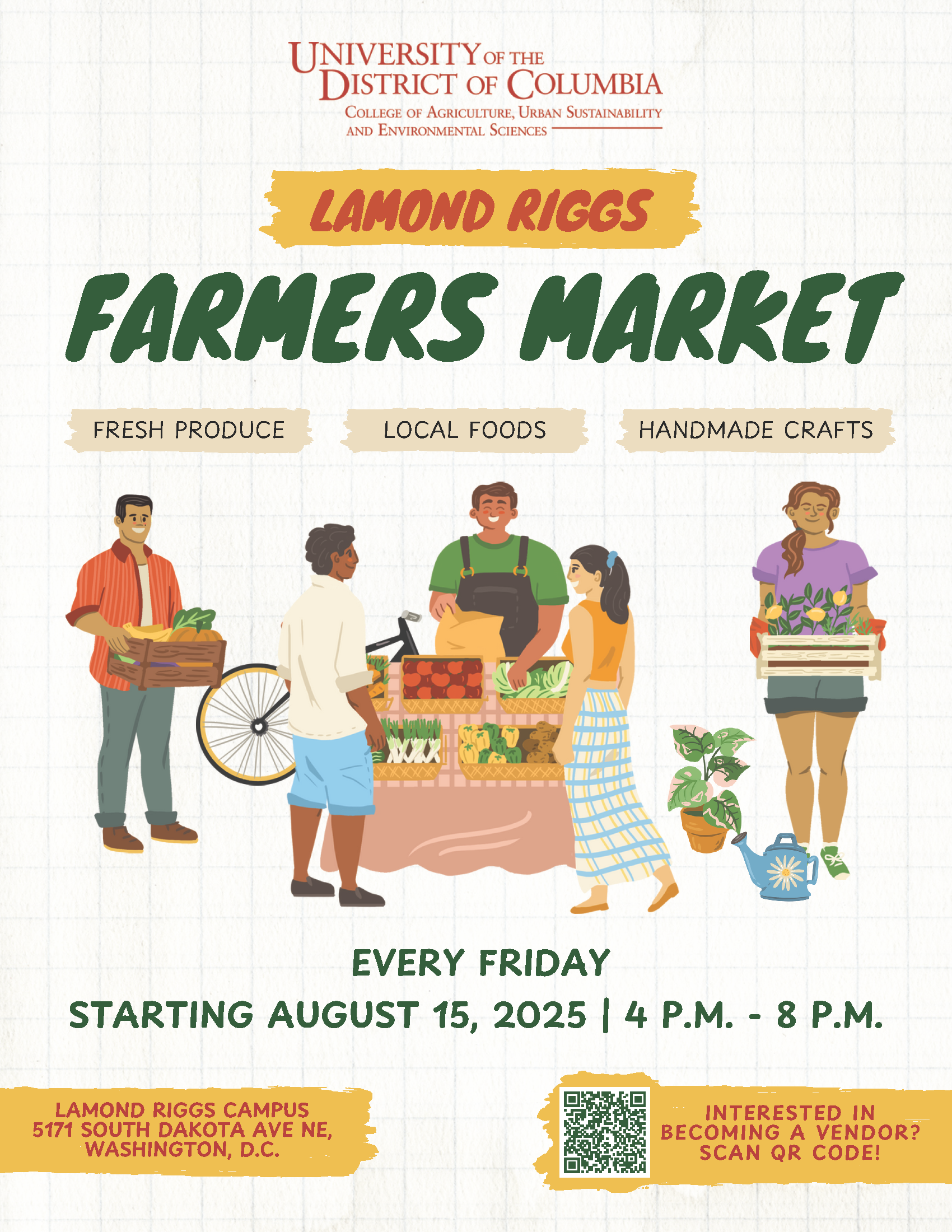
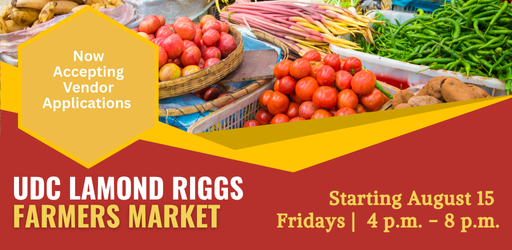
There are two weeks left of UDC’s inaugural Lamond-Riggs farmers market season. The last day for the market will be November 21, 2025.
Check it out today and next Friday 4pm-8pm at UDC’s Lamond-Riggs campus, located at 5171 South Dakota Avenue NE (in the parking lot off Galloway Street NE).
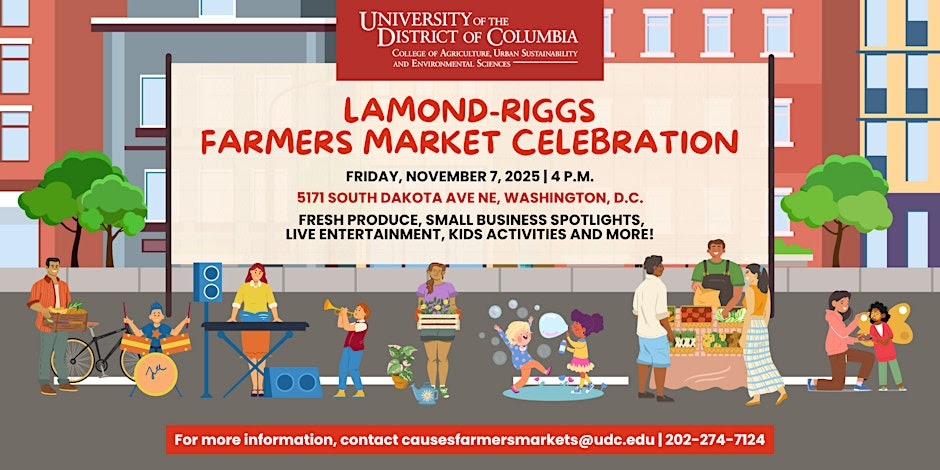
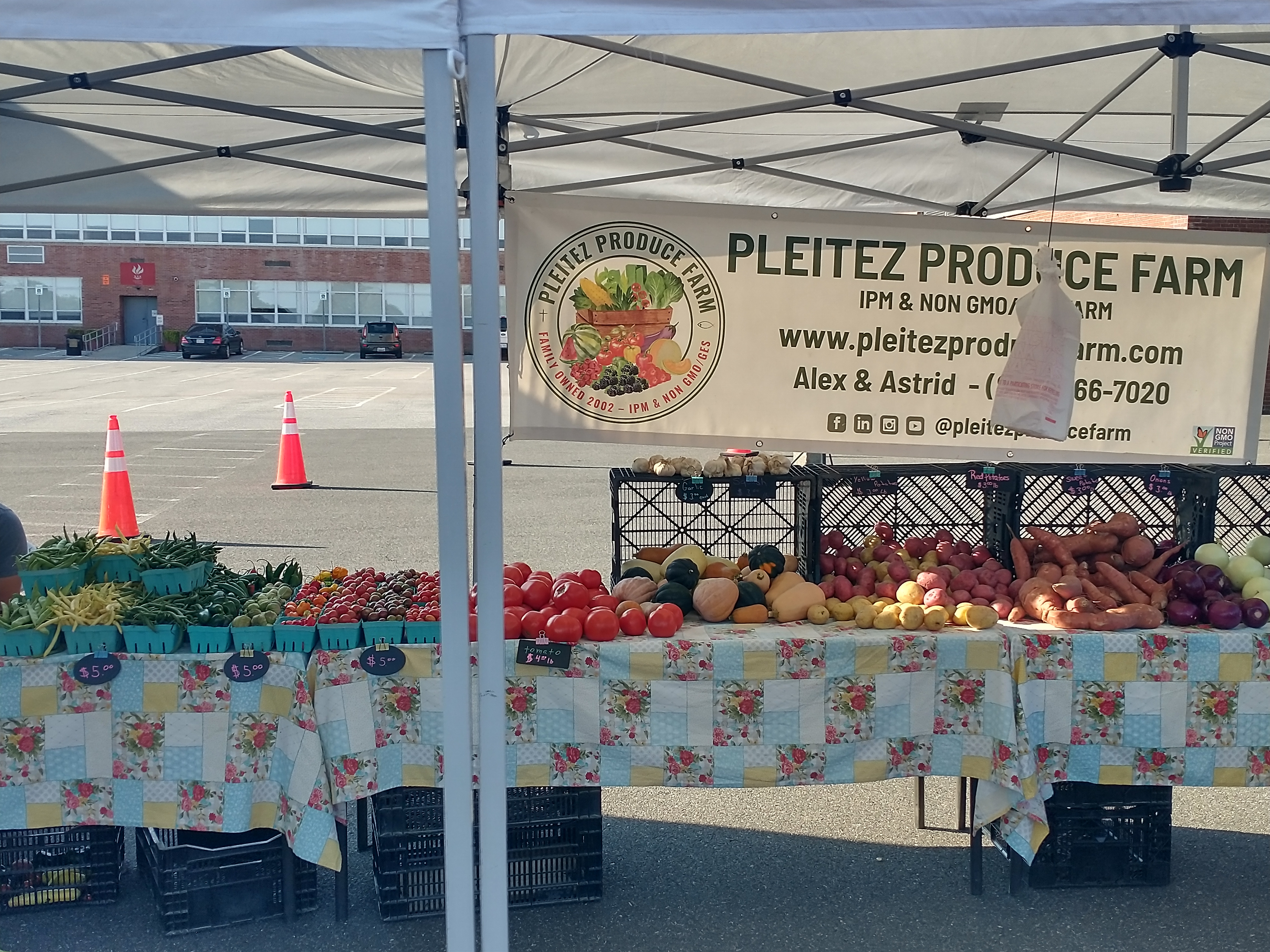
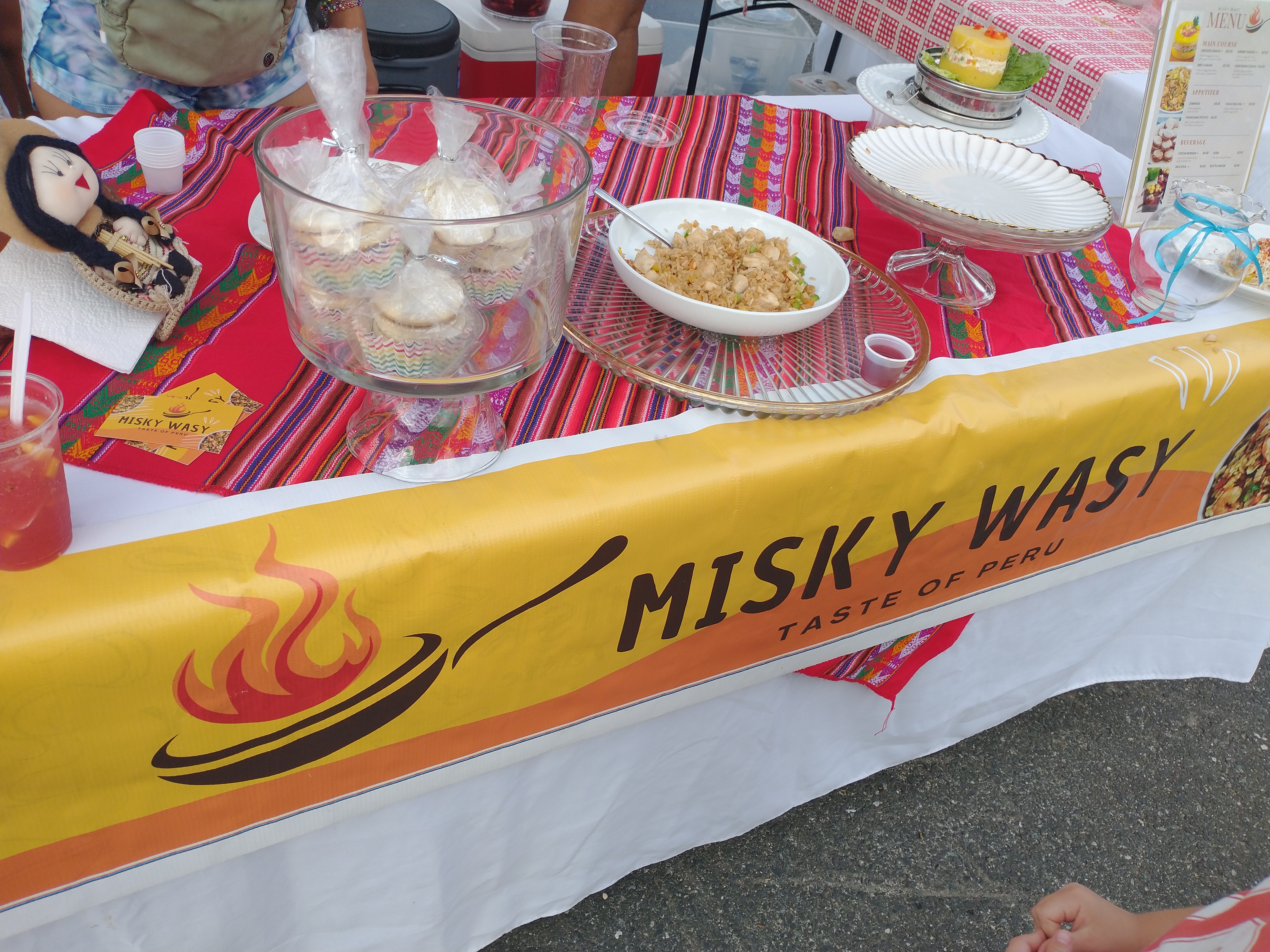
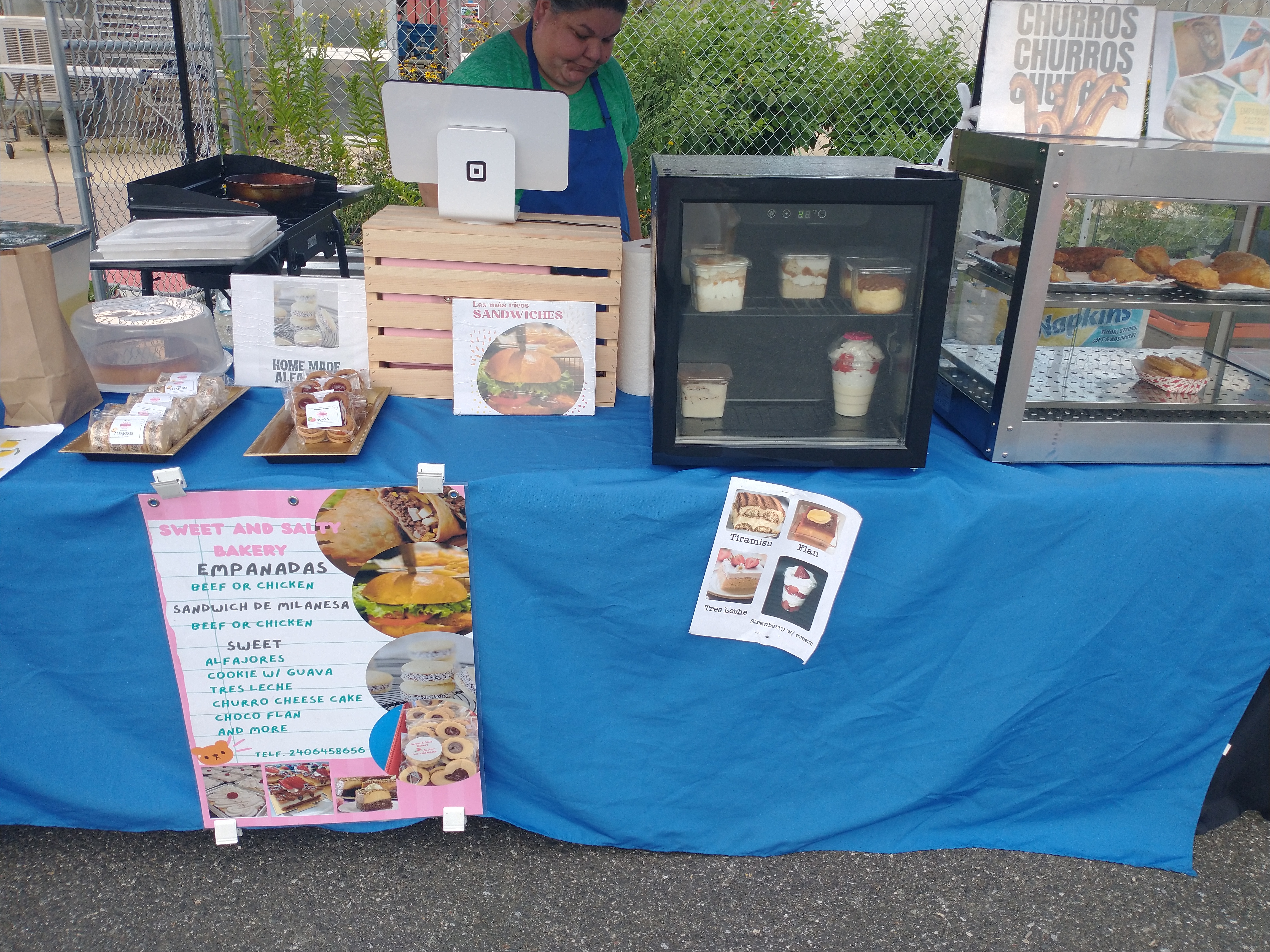
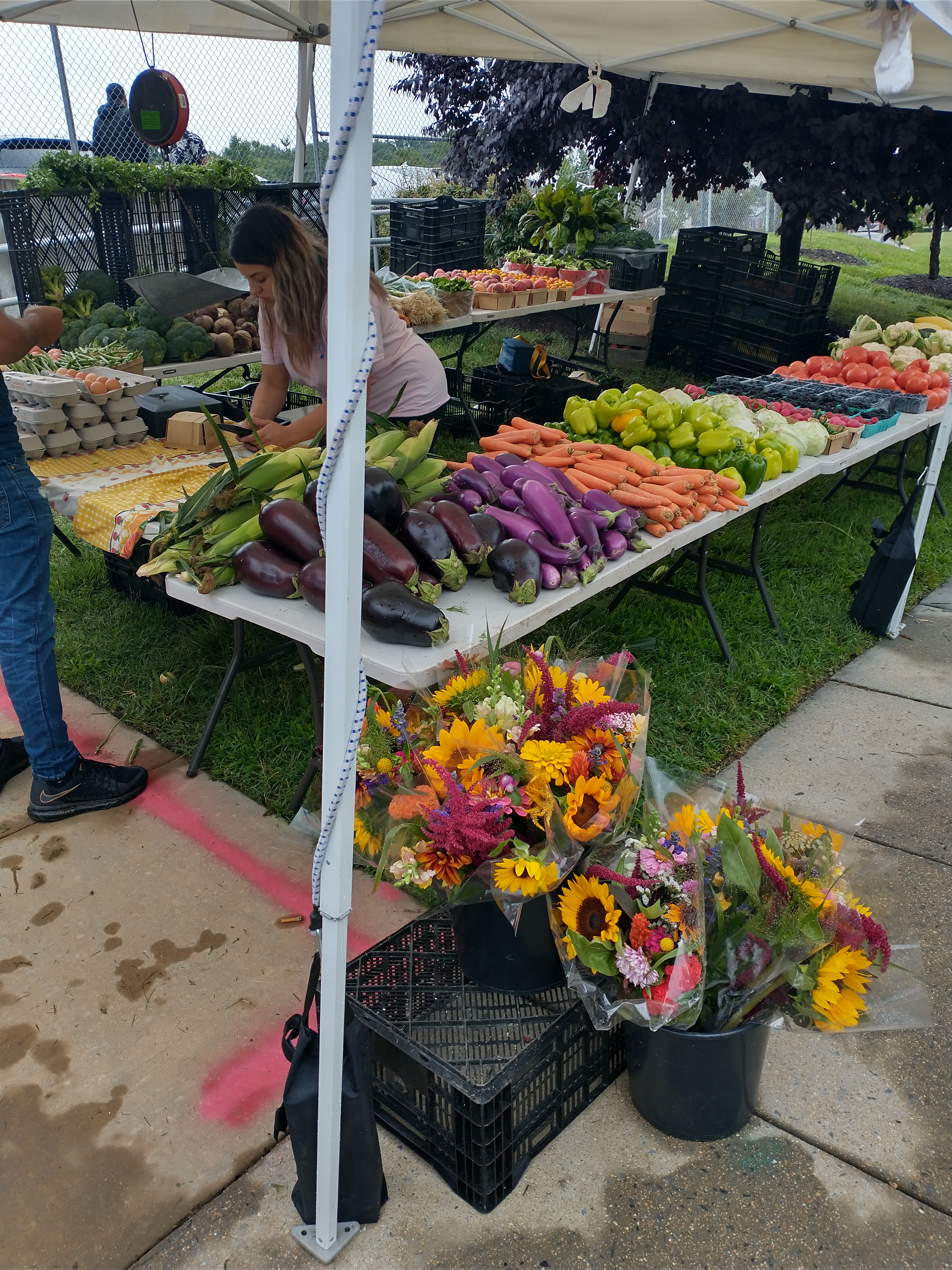
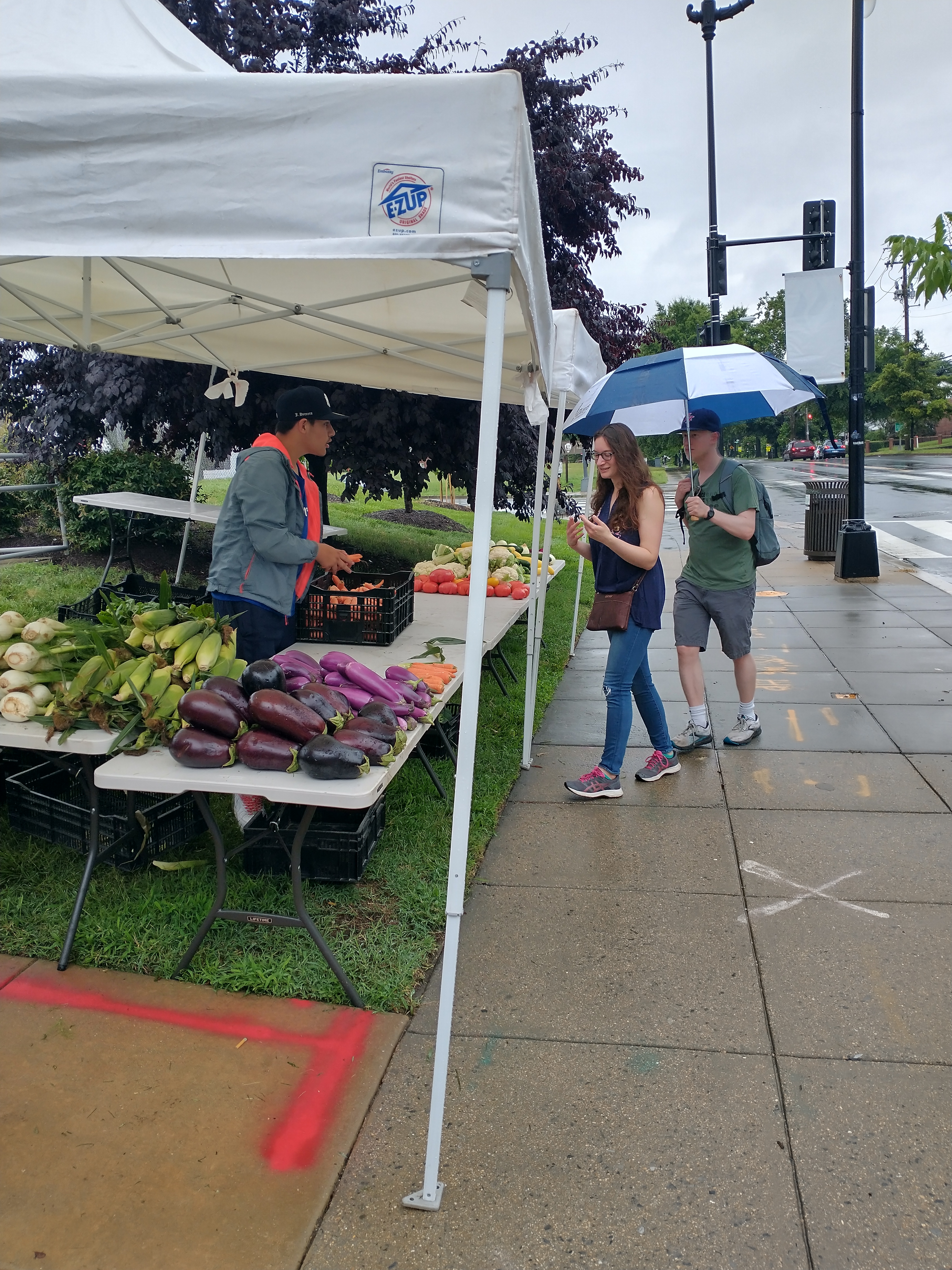
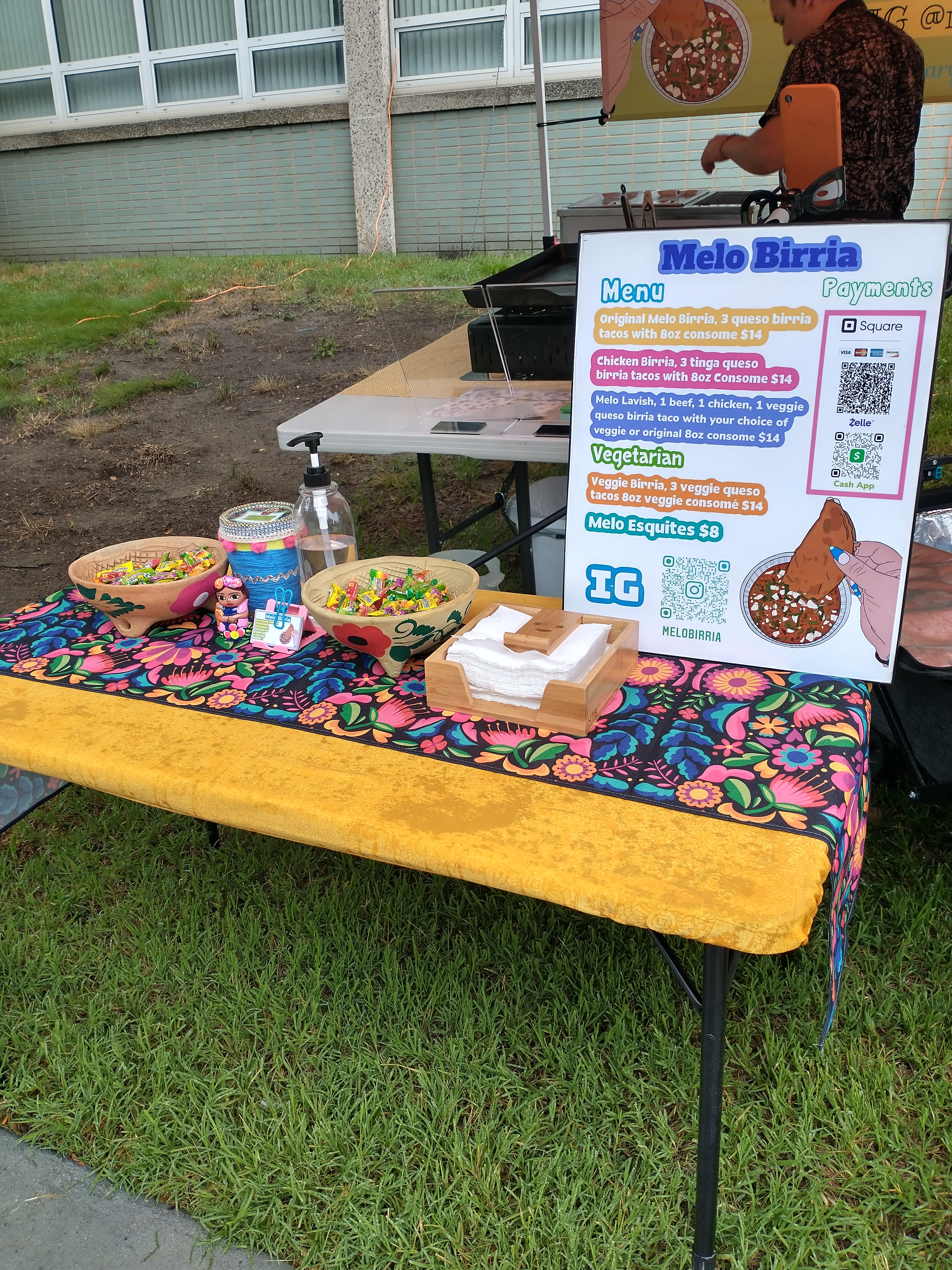
On November 7, 2025, the market team, led by Dr. Tsakani Ngomane at UDC’s College of Agriculture, Urban Sustainability, & Environmental Sciences (CAUSES), held a nice celebration to mark what the university is calling a pilot market. Residents enjoyed live cello music; tasty nutritious food samples like butternut squash soup; kids activities including face painting and a bounce house; and vendors selling a variety of items from books to produce to sweets.
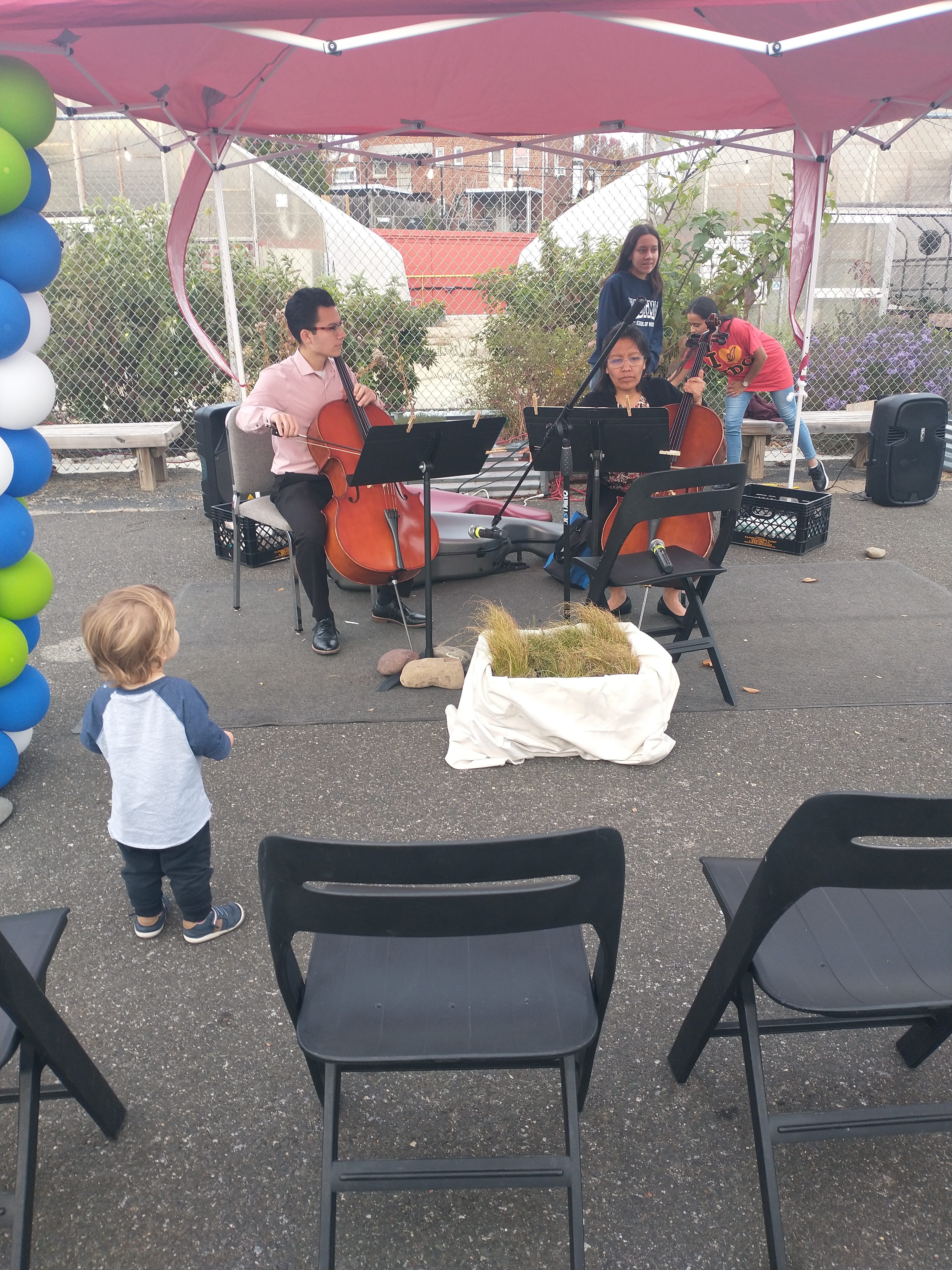
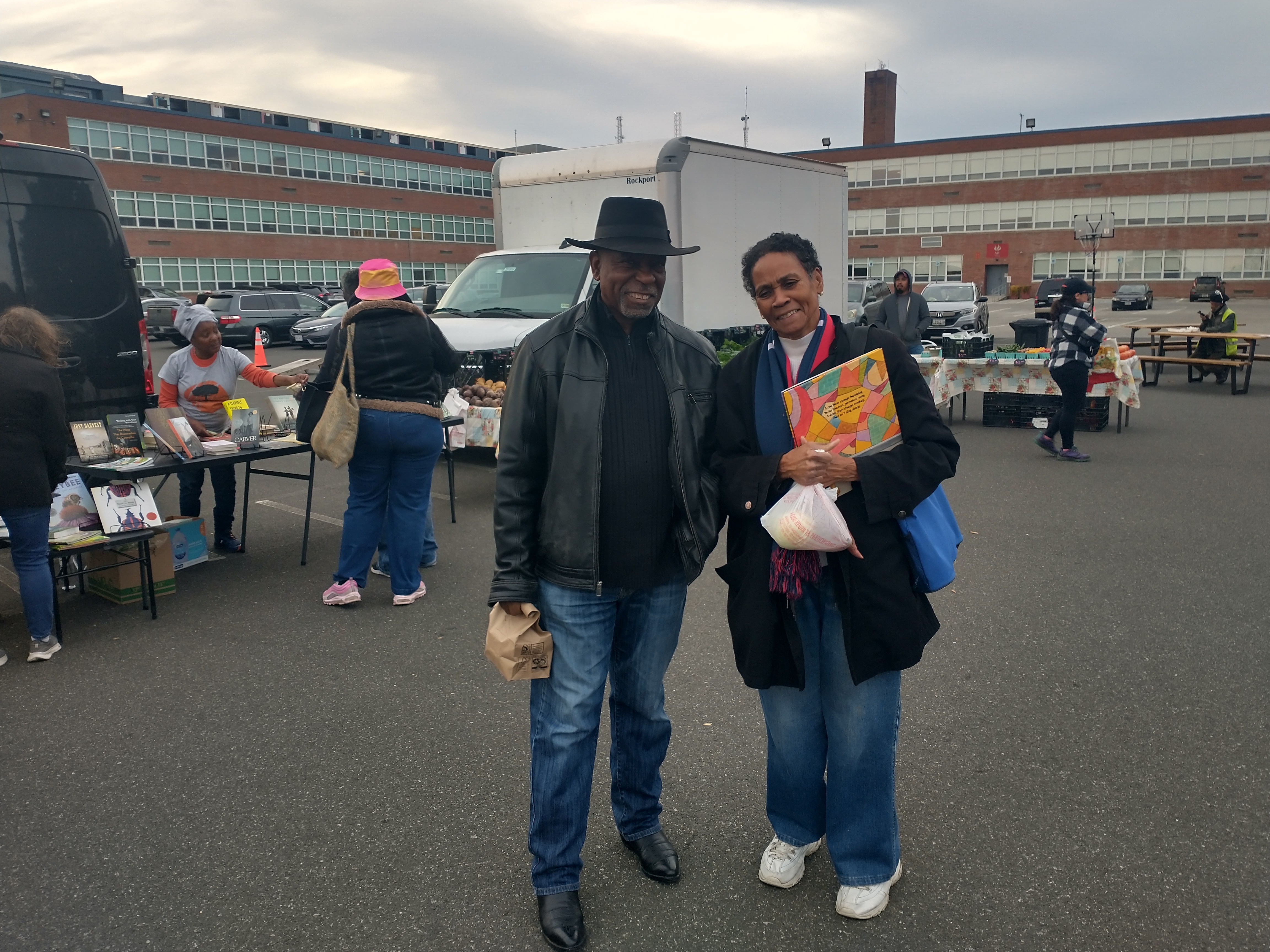
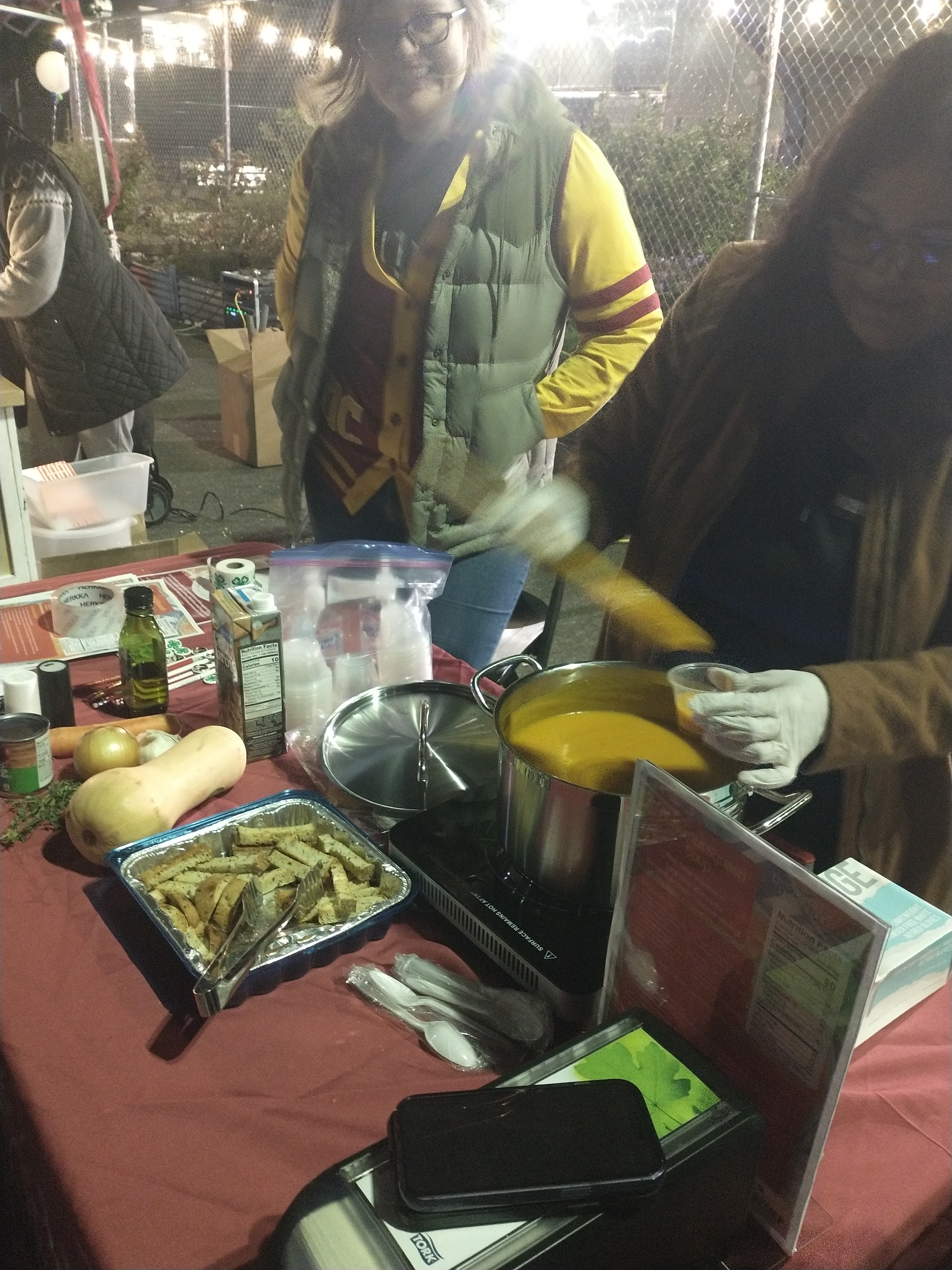
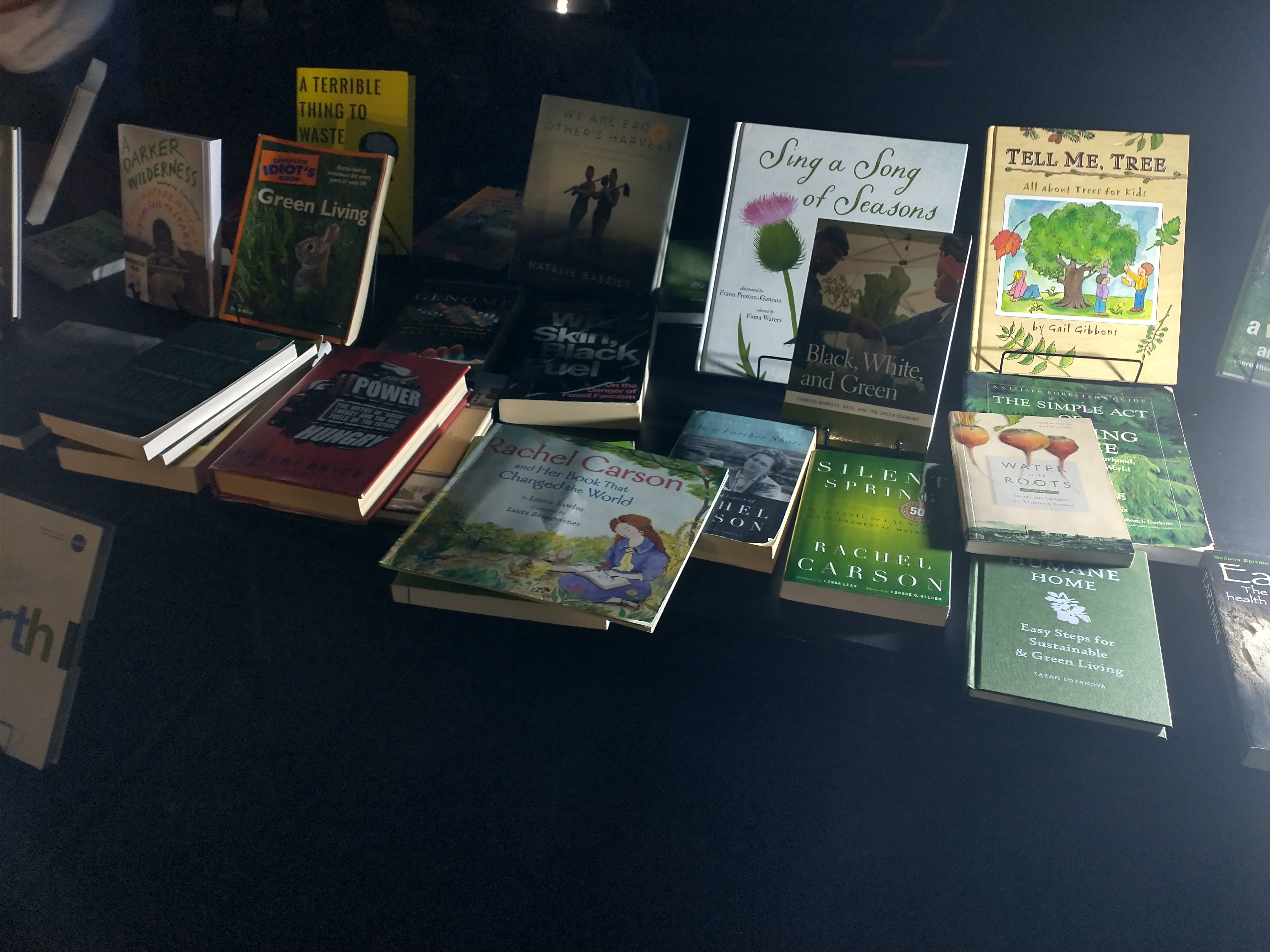
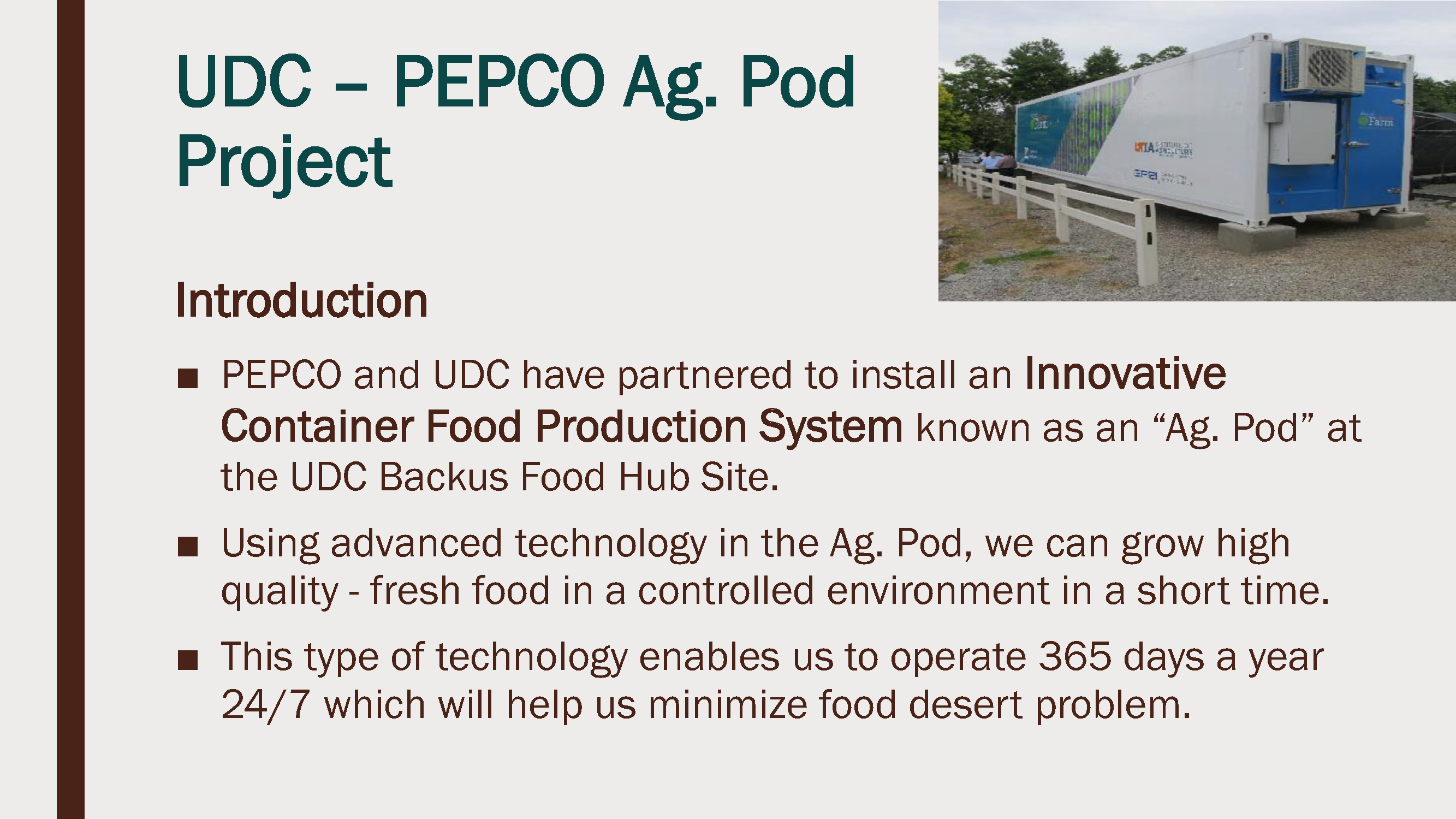
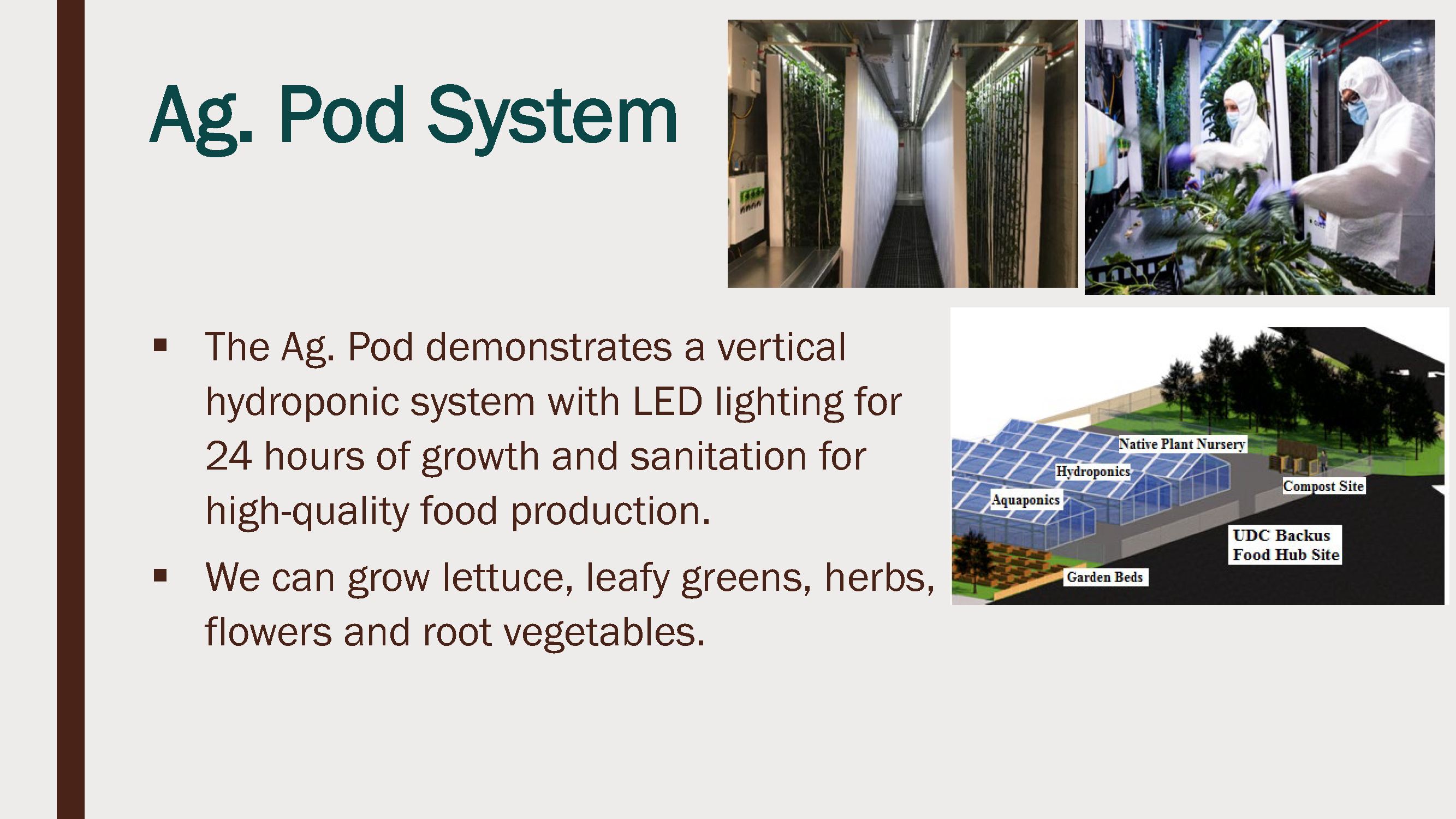
The farmers market is just one component of the urban food hub at the Lamond-Riggs campus. On the blog we previously interviewed Dr. Kamran Zendehdel, a former professor and center director at CAUSES, who explained that the food hubs have four components: (1) food production; (2) food preparation; (3) food distribution; and (4) food waste and water recovery (e.g., composting).
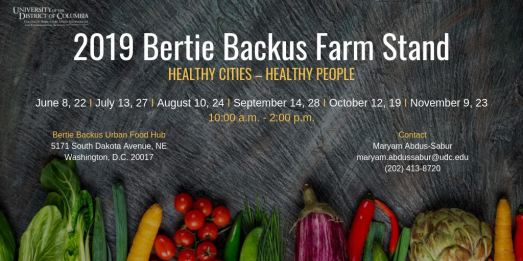
UDC CAUSES started building out the food hub in early 2016. It includes a hydroponics facility and native plant nursery. In 2018, Maryam Sabur, then a graduate student in water resource management at CAUSES, stood up the farm stand, which would eventually grow into the market.
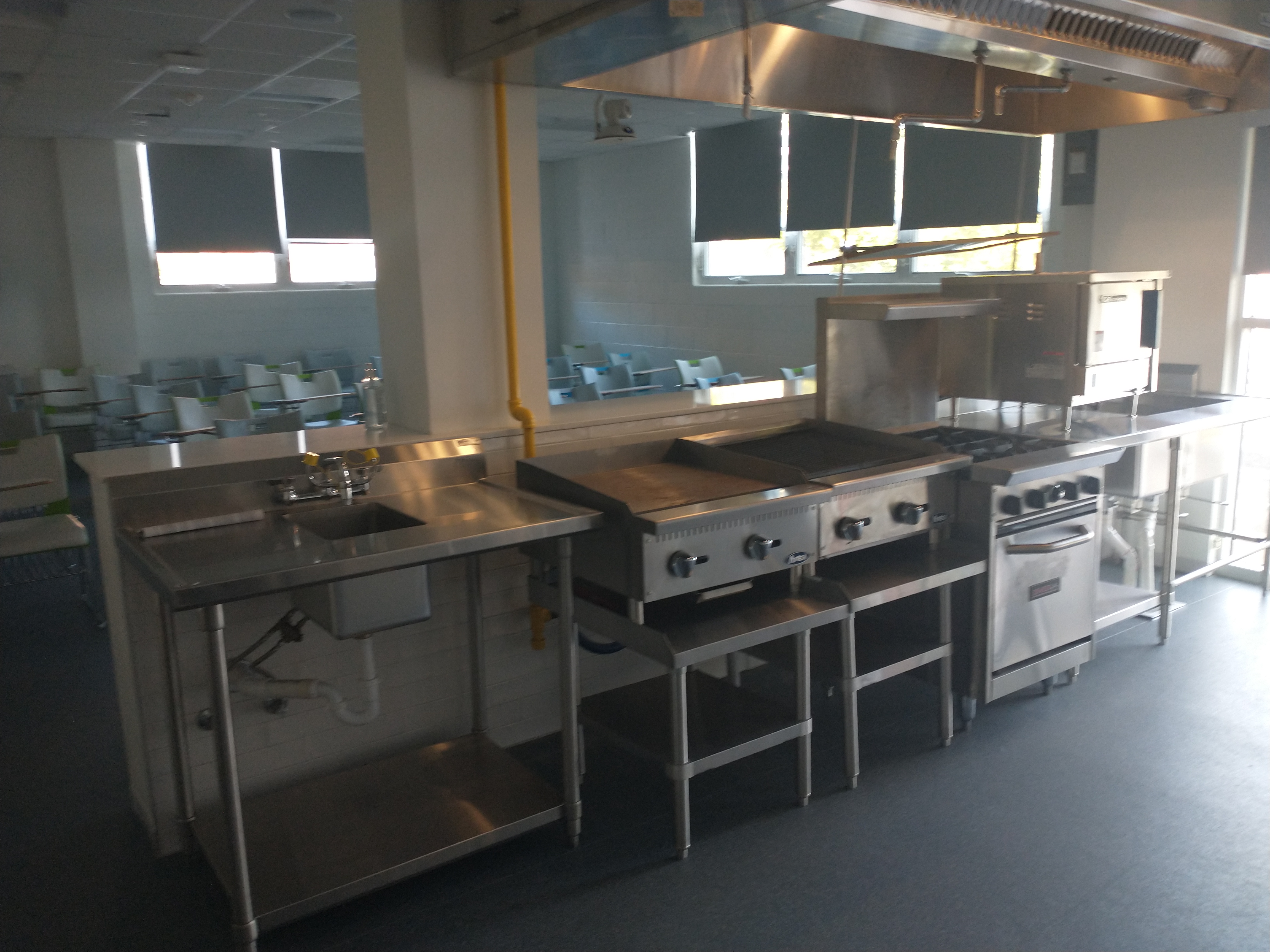
This year, the university officially opened the food hub’s demonstration commercial kitchen, which serves as a business incubator where individuals can learn about nutrition, get required food business certifications, and learn all aspects of the food business from trained chefs.
Entrepreneurship is a big component of the food hub concept. The idea is to grow the number of urban farmers in the city. Chauna Price, soil manager at the Lamond-Riggs food hub, has a produce stand at the farmers market where she sells produce grown at both the food hub and at the university’s Firebird Farm in Beltsville.
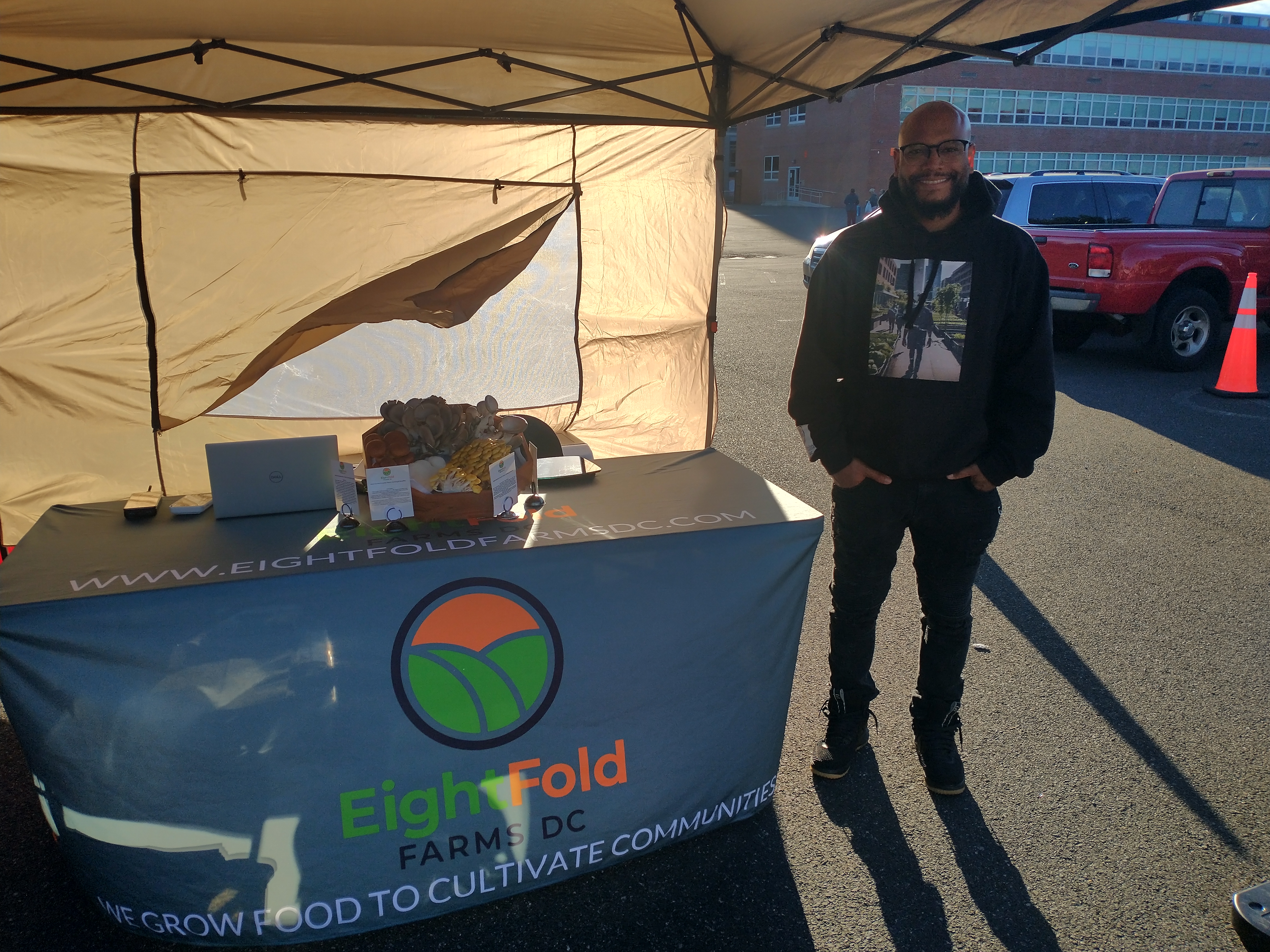
Eightfold Farms by owner J.R. Hines, a vendor at the market, is billed as DC’s first commercial mushroom farm. Mr. Hines received a federal grant with support from UDC CAUSES to support his concept. The business provides CSA dropoffs, supplies mushrooms to local restaurants, and also provides nutrition education/financial literacy to DCPS students.
Jasmine, a local resident at The Modern, sells fresh juice at the market through her business Pressed Essentials.
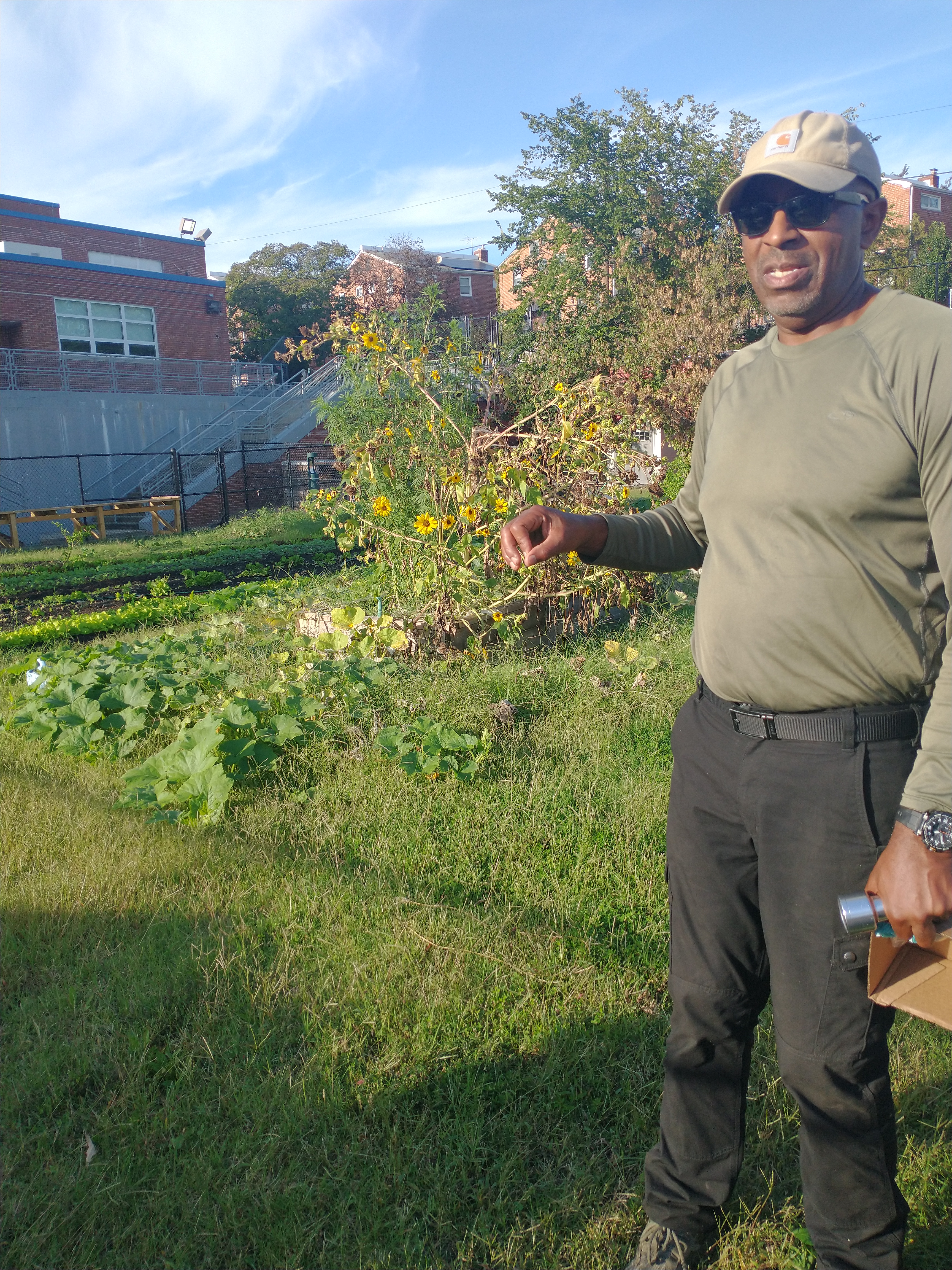
Two other residents at The Modern, Sekai Zinatsai and agronomist Chris Mapondera, participate in the food hub’s citizen science project, where they are responsible for growing vegetables from seed in containers designed for small spaces. This season they are growing dozens of containers of collard greens that they can harvest for themselves and also give away to local residents. On a small scale, the citizen science project embodies the concept of the food hub–training in the lifecycle of food from seed to market.

The food hub really is a remarkable production, and it is pretty neat having something like this in the neighborhood. Over the years, I have wandered around the food hub talking to people like Kyra Moore and Michael Whyte, who have managed aspects of the food hub and were happy to talk about what was going on. Stay tuned for opportunities to tour and learn more about the food hub in the future.









 Next Stop...Riggs Park