
-

- Source: Washington, DC Economic Partnership
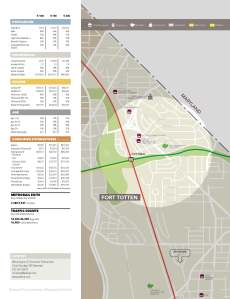
Fort Totten? Riggs Park? Lamond-Riggs? What do you call the neighborhood?
With all of the development taking off in the neighborhood, some residents have raised questions about how to make sure the neighborhood keeps its identity. Part of the impetus for the conversation comes from the fact that the major developments are branded as Fort Totten though they sit in Riggs Park. The retail node along South Dakota Avenue and Riggs Road is identified as Fort Totten in a profile sheet by the Washington, DC Economic Partnership (WDCEP). The WDCEP describes Fort Totten as the area comprised of several different neighborhoods within a one-mile radius of the Fort Totten metro station, though some view the Fort Totten neighborhood more specifically as a separate, distinct neighborhood west of the tracks. The metro station itself is named after Fort Totten Park, which was a defense fort during the Civil War.
Many of us know the neighborhood as Riggs Park and that is the name I use for the blog. When people ask where I live, I say Riggs Park. If that response draws a blank stare, I say it is in Northeast DC by Fort Totten metro station. Many others know the neighborhood as Lamond-Riggs. The neighborhood library is called Lamond-Riggs Neighborhood Library. The civic association is called the Lamond-Riggs Citizens Association.
So there is history in both names, Fort Totten and Riggs Park or Lamond-Riggs. Fort Totten was not made up out of thin air by developers. However, residents are of course wedded to the history of the neighborhood known as Lamond-Riggs.
There are a couple of ways to preserve the neighborhood identity. One would be a branding exercise for the neighborhood. This exercise would entail coming up with a logo or theme for the neighborhood that could be displayed in various points along the major thoroughfares of the neighborhood.
Another option that a neighbor brought up is to have a heritage trail developed by Cultural Tourism DC. Posts with pictures and narrative telling the history of the neighborhood could be placed along various points to get people to walk the neighborhood and learn its history.
What do you think? What do you call the neighborhood?



 Next Stop...Riggs Park